Blog

  • Grumpy Goat Expands Online Store

    Grumpy Goat Expands Online Store


    Grumpy Goat Expands Online Store


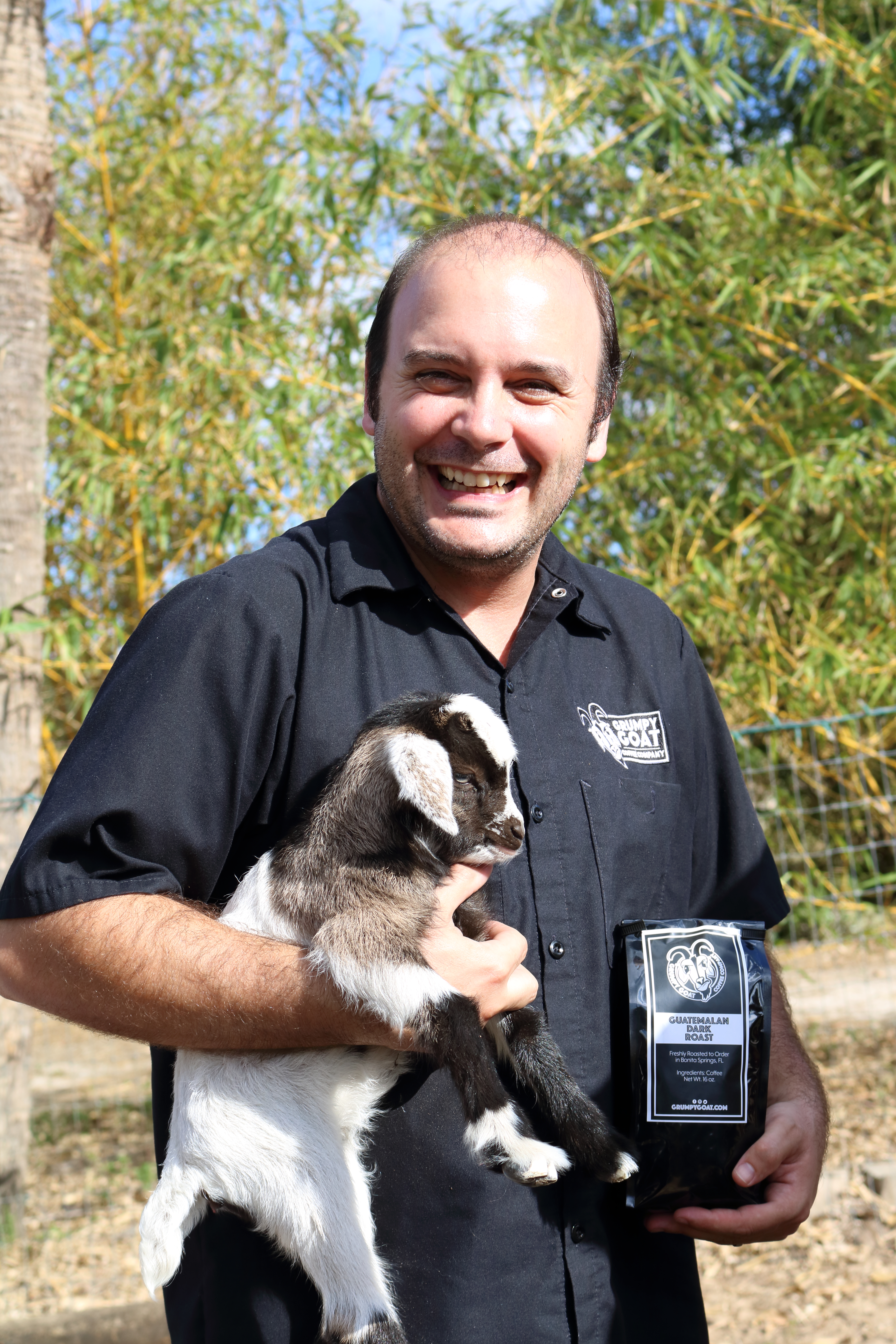
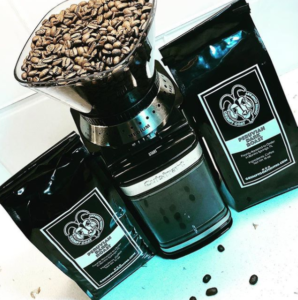
    Grumpy Goat Coffee Company, a microroaster of gourmet grade, single origin coffee has added a new product option to its online store. In addition to one pound bags, coffee shoppers can now order six ounce bags of beans, roasted to order. Abernathy from Grumpy Goat Coffee holding a goatThe six ounce option is available in any of the 14 origins available. Coffee beans can be ordered in either medium or dark roast. Customers may select either whole beans or request them ground for any brew method.

    “With so many people staying at home more often and relying upon online ordering we have made our six ounce option available online,” said Brian Abernathy, master roaster and founder of Grumpy Goat Coffee. “ The six ounce bags are a great option to try coffee from the top growing regions in the world and can be bundled to create a variety pack.”

    In addition, the company has enhanced its free shipping offer to anywhere in the continental United States for orders of $35 or more. Local customers may also make an appointment to pick up their roasted-to-order beans at the Grumpy Goat roastery in Bonita Springs located at 28280 Old 41 Rd., Suite M-11 in the Causeway Commerce Park.

  • 4 Ways Coffee is Similar to Wine

    4 Ways Coffee is Similar to Wine

    4 Ways Coffee is Similar to Wine

    When we meet coffee lovers at farmers markets, microbreweries and other special events, we have fun talking  and answering questions about coffee. 

    A comparison we often make that is relatable is wine.  Much like wine enthusiasts seek out  highly-rated wines to try, they also appreciate the aroma and tasting notes of the best coffee on the planet.

    Here are four ways that the coffee and wine experience are similar.

    how coffee is similar to wine

    1. Scoring

    Most people we speak with don’t realize that coffee is scored on a 100 point system. This is similar to the wine industry. When you visit a wine store the point score that a wine has earned is usually prominently displayed on the shelf tag.

    Expertly trained and licensed professional “cuppers” grade the coffees. These very skilled individuals have completed testing requirements much like the Master Sommeliers in the world of wine.

    After undergoing rigorous evaluation, coffees scoring 86 points and above  (Grumpy Goat only selects beans rated 86 points or higher) can be categorized as “Specialty Coffee.” This designation applies to only 1% of the world’s coffee.

    But the similarities between coffee and wine go beyond the scoring system.

    2. Terroir

    Wine requires growing grapes and coffee requires growing beans.

    France and Australia are famous for their wine making. Countries like Ethiopia and Kenya are considered the most ideal growing regions for specialty coffee. The highest quality coffee beans and grapes are produced in special microclimates within these larger regions.

    Perhaps the most magical thing that impacts both beverages are the environmental characteristics in which the grapes and beans grow.

    Soil, altitude and climate factors like sun exposure (i.e., a growing region’s terroir) all contribute to the unique flavor, tasting notes and aroma of what ultimately becomes your glass of wine or cup of coffee.

    3. Tasting Notes

    The use of flavor profiles are one of the most obvious similarities between wines and coffees. Both beverages exude a unique bouquet of aromas, textures and tasting notes.
    Finish and acidity are also characteristics commonly used to describe these beverages.


    The roasting process impacts the coffee much in the same way that wine making choices in the cellar will affect the final outcome of a wine.

    Grumpy Goat spends a lot of time researching coffee beans available around the world. We learn about the flavor profile of the coffee and craft a roasting that will allow the flavors of the beans to come through at their finest.

    The similarities between wine and coffee don’t stop there.

    4. Serving

    Fans of both coffee and wine each have their own rituals for preparation and serving too. When wine enthusiasts uncork a bottle, they serve it at the right temperature. They decant the wine when necessary. They even use specific types of stemware designed to capture the bouquet of the wine.

    Similarly, coffee lovers embrace their own favorite serving methods. For instance, the brewing method and device used to make the coffee is a highly personal preference.

    Grumpy Goat will grind your coffee to any level of coarseness or fineness if you don’t have your own grinder.

    Just like it matters to properly prepare and serve wine, it is important to properly prepare and serve coffee to experience the best cup possible.

    Now that you see ways that coffee and wine are similar you’ll never taste a cup of coffee the same way again. Being inquisitive about how a coffee scores, the uniqueness of the growing region, the tasting notes and how they’re impacted by the preparation and serving will allow you to be an enlightened coffee enthusiast.

  • 6 Tweaks to Make your Coffee Healthier

    6 Tweaks to Make your Coffee Healthier

    6 Tweaks to Make Your Coffee Healthier

    Fresh roasted gourmet coffee is a treat all by itself.

    Single origin coffee beans grown at high altitude and rated by professional cuppers at 86 points or higher makes for a triple crown of gourmet coffee.

    But what if you could enjoy your morning brew and also get even more healthy boosts from your coffee routine?

    Look no further.

    Here are six easy coffee add-ons to try to make your coffee even healthier. Try these tweaks to get the most out of your coffee routine.

    6 Tweaks to Make Your Coffee Healthier

    1. Coconut Water

    Popularly used for rehydration (similar to a sports drink) or to help with an illness, coconut water is a safe, additive to coffee.

    Although the Mayo Clinic considers plain water to be a better alternative than coconut water, they acknowledge that coconut water has natural electrolytes.

    Examples include potassium (most people do not get enough potassium), sodium and manganese but amounts vary based on the maturity of the coconut.

    2. Collagen Powder

    If you’ve read about dermatologists suggesting people spike their morning smoothie or coffee with collagen powder, here’s why.

    Although the studies done so far on collagen are small and at least partially funded by industry, many doctors find the results promising.

    According to WebMD.com, “as a protein source alone, collagen is an excellent one, packing in more protein per calorie than other sources while containing less sodium and sugar.”

    Benefits of collagen that preliminary research has revealed are that it’s a powerful wound healer, able to stop bleeding, recruit immune and skin cells, and stimulate new blood vessel formation, skin aging prevention (fewer wrinkles and improved skin elasticity).

    When shopping for collagen powder, seek a trusted brand with a third-party label like NSF or USP.

    3. Cinnamon

    Since medieval times, cinnamon spice (ground up bark from the cinnamon tree), has been both a medicinal treatment and flavor enhancing tool for desserts and candy – and coffee too.

    One of the most significant findings is its relationship to better brain health such as improved memory and learning.

    According to the U.S. National Library of Medicine, “in addition to being an antioxidant, anti-inflammatory, antidiabetic, antimicrobial, anticancer, lipid-lowering, and cardiovascular-disease-lowering compound, cinnamon has also been reported to have activities against neurological disorders, such as Parkinson’s and Alzheimer’s diseases.”

    Cinnamon will make a great complement to Central and South American coffee such as Grumpy Goat Brazilian or Costa Rican bean types.

    4. Medicinal Mushrooms

    It is no secret that mushrooms are a rich source of nutrients and bioactive compounds that offer tremendous medicinal attributes which are valuable for human health.

    Along with enhancing bone health, preventing cardiovascular disease and boosting the immune system, therapeutic applications of edible mushrooms include:

    -anticancerous          -anti-obesity

    -anti-diabetic            -anti-ageing

    -antiasthmatic          -antiviral

    -antiarthritic

    But adding it to coffee may seem odd.

    The types of mushrooms that are recommended by experts to support the immune system are Turkey Tail, Lion’s Mane, Chaga, Reishi or Cordyceps.

    Here’s how it works according to Microsoft News. “Dried mushrooms are boiled and liquefied into an extract and then added to coffees and teas for an added superfood boost” to your coffee or tea.

    Alternatively, mushroom powders are available too.

    When shopping for these make sure to get a powder made from “whole mushroom fruiting bodies.”

    Some mushroom powders are made with grain fillers or from the roots of the mushroom rather than the mushroom body.

    Read the labels carefully to ensure you select one that will truly offer health benefits.

    Fans rave that this combination results in a robust coffee or tea that is not compromised by any taste of mushrooms.

    5. Fats (Bulletproof Coffee)

    Most people do not think twice about adding milk or cream to their coffee. Milk is a great source of vitamins.

    But they may raise an eyebrow at the suggestion of adding butter or ghee to coffee.

    Also known by the brand name Bulletproof coffee, adding a source of fat such as butter to your coffee may offer health benefits and enhance your coffee drinking experience.

    The idea behind it is since fats can make you feel full faster, you may find that you actually eat less.

    Fats burn slowly within the body which makes them a prolonged source of energy. This helps in the reduction of appetite when compared to adding sugar to coffee. Sugars will spike your blood sugar levels and decrease your ability to burn fat.

    Butter coffee creates a rich, frothy drink. So starting your day with some butter coffee can help decrease your appetite and calorie intake.

    An alternative to butter is ghee, popular in India and Pakistan.

    Ghee is more concentrated in fat than butter because its water and milk solids have been removed.

    According to Healthline, “test-tube and animal studies suggest that these fats may reduce inflammation and promote gut health.”

    Ghee removes all the milk sugar lactose and milk protein casein. This makes it a better option for people who manage allergies or sensitivities to dairy.

    Coconut oil is another option for making a fat enhanced coffee.

    6. Dark Chocolate

    Got a sweet tooth?

    Adding chocolate with a high percentage of cacao instead of sugar may be a better alternative for your health.

    A Clarkson University and University of Georgia study revealed that a caffeine and cocoa combination in coffee created two effects.

    First, quicker response rates were observed. Second, the chocolate coffee combo decreased “caffeine’s anxiety-producing effects.”

    A research abstract published at PubMed.com about cocoa shows that it is loaded with antioxidants and associated with all sorts of health benefits.

    For example, cocoa helps in weight loss.  It also enhances cognition and positive mood and is linked to reduced risk of heart disease.

    The best method to mix chocolate into your coffee is to scrape in thin chocolate shavings. Then slowly stir them into your coffee. The small pieces will melt easier.

    Alternatively place a dark chocolate square in the bottom of your coffee mug.  Then pour your hot coffee over the top. Then give it a minute to melt and then stir. You may end up with some residue at the bottom of your mug but you’ll save the work of making the shavings.

    Another option for your chocolate fix is to try adding a bit of cocoa powder to your coffee for some flavor enhancement and potential health benefits.

  • Grumpy Goat – Grandpa Goat’s Irish Coffee

    Grumpy Goat – Grandpa Goat’s Irish Coffee

    Grumpy Goat Irish Coffee Recipe

    Grandpa Goat’s Irish Coffee

    Everyone is Irish on St. Patrick’s Day! Check out this coffee recipe which just might make you feel lucky! 

    Ingredients

    Preparation

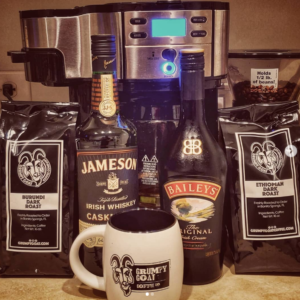
    To start, add the Irish Whiskey to your mug.  Then pour your freshly brewed hot Grumpy Goat coffee. Top it off with a generous shot of Bailey’s Irish Cream. Sip and enjoy! 


  • Grumpy Goat Announces Expansion in Bonita Springs

    Grumpy Goat Announces Expansion in Bonita Springs

    Grumpy Goat Announces Expansion in Bonita Springs

    Grumpy Goat Coffee Company, a microroaster of gourmet grade, single origin coffee is celebrating National Coffee Day, Sunday, September 29, by announcing they are under contract to expand their roasting operations with a location in Bonita Springs. Grumpy Goat’s roastery will be in close proximity to historic downtown Bonita Springs and is expected to be open in late 2019.Abernathy from Grumpy Goat Coffee holding a goat

    In addition to housing its roasting operations, Grumpy Goat’s facility will feature a tasting room, offer coffee roasting classes, special events and be a new option for customers to pick-up their orders of fresh roasted coffee beans.

    “Our roastery will help us fulfill our mission to make freshly roasted, single-origin, fully traceable gourmet grade coffee both exciting and approachable for everyone,” said Brian Abernathy, master roaster and founder of Grumpy Goat Coffee. ”Fully traceable means that I know where the beans are coming from. I know when they are harvested, when they’re sent to the washing station, when they’re set afloat.”

    Similar to wines, coffee is graded on a 100 point system by professional cuppers. Grumpy Goat is committed to only selecting coffee beans rated 86 points or higher which is considered gourmet grade.

    Abernathy added, “I know if they have certifications like USDA certified organic,  Fair Trade Organic or Women Produced. In terms of single origin, it’s a lot like wine. I know the regions, I know the altitudes, I know the varietals that make up the coffee I bring in.”

  • How to Decipher Coffee Packaging Claims

    How to Decipher Coffee Packaging Claims

    How to Decipher Coffee Packaging Claims

    Understanding the various labels and logos on your gourmet coffee package can be confusing. It’s ironic because the purpose of these symbols is to make it easier to identify coffee and other products that you can trust. Each image tries to tell you something about how the coffee was grown.

    Packages of coffee you encounter may display one or more of a variety of badges or seals. Each symbol has a message. However, some are more meaningful but others are more for marketing purposes.

    Fairtrade Certified

    FairTrade badge indicating products sourced from developing countriesCoffee packages displaying a Fairtrade badge means that coffee farmers and the producer groups they belong to are paid a minimum fairtrade price for their coffee to cover production costs.

    Coffee is an unpredictable crop from season to season depending upon weather. Therefore, Fairtrade helps farmers sustain a more stable income stream, especially in developing countries.

    In addition, a portion of the fairtrade revenue earned by the farmers is reinvested in production facility and community improvements.

    Fairtrade International is probably the most well known fair trade label worldwide.

    Fair Trade USA

    fair trade certified badgeSimilar to Fairtrade International, Fair Trade USA is an independent, nonprofit organization. This group certifies and labels products that adhere to standards for sustainable livelihoods for farmers and works to protect the environment.

    Coffee is the most popular fair trade product. However, Fair Trade USA also certifies several other commodities such as tea.

    Fair Trade organization (FTO) and
    Fair Trade Organic (FTO)

    FLOCERT logoOrganizations focused on Fair Trade organizations (FTOs) abide by the Fair Trade principles. They are vocal advocates of producers.  Also, FTOs raise awareness of Fair Trade issues.  They actively work toward adherence to Fair Trade principles across all international trade practices.

    As the global certification body for Fairtrade, FLOCERT is on a mission to assure fairness. They support companies in sourcing on Fairtrade principles, where no Fairtrade Standard applies. Also, FLOCERT helps producers, traders and brands build fair supply chains around the world.

    Women Coffee Producers

    Women Coffee Producers badgeAccording to Cafe Imports, “as much as 70 percent of labor on coffee farms—planting, picking, processing, sorting—is done by women, though women’s legal representation as land owners and association members is distinctly lower,” ranging from only 5-20 percent.

    The Women Coffee Producers program intends to raise awareness of gender inequity and inequality issues in coffee-producing countries.  In addition, the program financially empowers women growers. Coffee packages bearing a label referring to women producers are sourced from women in associations and cooperatives.  This means a gender-equity premium is paid on top of the quality-based initial price of their coffee.

    For example, in Mexico the population involved in coffee is more than 500,000 families. There is a growing percentage of women producers. Many of the women own or have inherited coffee farms. Purchasing coffee rewards women’s contributions.  Buyers pay a premium to the women who contribute to the production. In turn, this premium is invested in projects within their communities and for the families.

    Organic

    Organic product logoIt is possible for a product to bear a label “Made With Organic Ingredients.” However, this does not qualify it to use the USDA Organic Seal (explained further below).

    In this case up to 30 percent of agricultural or other allowable ingredients can be non-organic.

    USDA Organic

    USDA organic sealAn organic label is just a label. The USDA Organic Seal is a privilege of certified products. The United States Department of Agriculture governs this labeling term.


    It refers to an agricultural product produced in accordance with the The Organic Foods Production Act of 1990. The USDA organic regulations cover four categories of products. Categories include crops, livestock, processed products and wild crops

    To earn the right to display the USDA Organic seal, producers must abide by strict rules. Examples of these rules include sanitation, commingling and contact with non-organic products, pest, weed, and disease controls, soil fertility and much more.

    Even if a product is certified organic in its country of origin it is recertified upon entry into the United States to ensure it meets USDA standards.

    “Rainforest Alliance Certified” or “Bird Friendly”

    Rainforest Alliance Certified logo Bird Friendly Habitat logo by Smithsonian Migratory Bird Center
    Both “Bird Friendly” and “Rainforest Alliance Certified” seals inform consumers that the coffee maintains some habitat for birds. However, the Bird Friendly designation is a higher standard as established by scientists at the Smithsonian Migratory Bird Center.

    These certifications require farmers to maintain or restore a sufficient amount of canopy cover. This cover approximates a “forest-like” environment. In addition, these designations prohibit harmful pesticides, which limit prey for birds.

    Shade Grown

    Shade Grown logoWhen you see a “shade-grown” label on a package of coffee it can refer to a variety of growing conditions that are conducive to protecting migratory songbirds.
    Deforestation is presenting an ecological disruption in some coffee growing regions. As a result, shade-coffee farms established within areas with a natural forest canopy are diminishing.

    This trend is affecting several species of North American birds.  This means they now have fewer options of places to migrate for the winter.

  • Should You Store Gourmet Coffee in the Freezer?

    Should You Store Gourmet Coffee in the Freezer?

    Should You Store Gourmet Coffee in the Freezer?

    should you store coffee in the freezer

    One of the most common questions we are asked is whether storing coffee in a freezer will preserve its freshness longer. You may get different answers from different people and since education is important to us at Grumpy Goat we want to help separate fact from fiction.

    Fact: Coffee should be consumed as quickly as possible after it is roasted.

    You deserve better than dull flavored coffee so don’t accept it.  Gourmet grade coffee is very affordable and offers tremendous flavor profiles. But, improper storage will quickly compromise those flavors.

    The Enemies of Coffee Storage

    Before we answer whether to store coffee in a freezer, first take a quick glance through the main enemies of coffee freshness. If you are determined to enjoy the freshest cup of coffee it is important to know what to avoid during coffee storage.

    Fact: Preserving peak freshness and flavor of gourmet coffee requires proper storage.

    Enemy #1 – Light


    Store coffee in an opaque container.  Opaque means that no light can reach the container contents. The original package that your gourmet coffee comes in may be suitable for short-term storage. For example, Grumpy Goat selects coffee packaging suitable for you to store your gourmet coffee in a cool, dry, dark place such as a kitchen cabinet.

    Enemy #2 – Air


    Store gourmet coffee in an airtight container. Effective food and coffee storage includes limiting the access to air flow by using a tight seal. Plastic containers tend to be a poor option because the lids are not airtight and plastic can retains flavors and odors from foods previously stored in them.

    Enemy #3 – Humidity


    Storage temperature can affect the flavor of your coffee. Growth of bacteria is promoted in higher heat and humidity where moisture can form. For example, storing coffee in a kitchen cabinet next to your oven will be exposed to heat when you bake and broil so select a cabinet further away.

    4 Secrets to Effective Coffee Storage in a Freezer

    So, should you store gourmet coffee in the freezer?

    We don’t recommend it but if you choose to freeze your coffee beans here are the secrets to do it effectively and minimize the risks of ruining your supply.

    Fact: Coffee absorbs moisture (aka hygroscopic) from the air around it. The flavor of your gourmet coffee will be altered by odors in the air it is exposed to.

    Secret #1 – Be Quick


    Quickly remove as much as you need for no more than a week at a time, and return the rest to the freezer before any condensation forms on the frozen coffee.

    Why do we suggest quick removal?

    Condensation will quickly accumulate on your frozen coffee as soon as you open the airtight storage container.  This moisture causes humidity – enemy #3 – and gives rise to potential bacteria growth and can compromise the intended coffee flavor.

    Secret #2 – Airtight Storage


    The key to storing gourmet coffee in the freezer is to avoid freezer burn. Food and coffee that is not securely stored in completely airtight containers will be damaged by the air that reaches it.  This exposure causes oxidation and dehydration and can alter the flavor of the coffee. The moisture will crystallize on the coffee and transfer various freezer odors to it.

    Imagine, the chicken, steaks, ribs and fish and other items stored in your freezer may contribute to the flavor alteration of your coffee. Not exactly a refreshing thought.

    The ultimate airtight storage for coffee is vacuum-sealing.  But most people do not own a vacuum sealer and practice this at home with their foods so it’s not a practical solution for everyone.

    Secret #3 – Make Batches


    If you purchase coffee in bulk and intend to freeze it, we suggest that you create batches that will last you a week at a time and store each one in a completely airtight container.

    Plan for enough time for your coffee to thaw and reach room temperature before brewing it.

    This coffee storage system will help you avoid the condensation challenge explained in Secret #1 above.

    Secret #4 – Deep Freeze


    If you have deep freezer at home and choose to store excess coffee beans they will keep better there than in your refrigerator’s freezer.

    Should You Store Gourmet Coffee in the Refrigerator?


    Easy answer. No !   

    Coffee (whole beans or ground) will suffer in a refrigerator for a couple of reasons. First, your fridge is not cold enough to maintain coffee freshness.

    Second, the coffee roasting process, the beans lose moisture and the moisture in a refrigerator is the perfect culprit to ruin the quality of your beans. Worse, since coffee also absorbs aromas. all the other items in your refrigerator will put your coffee taste at risk, even if you’re using an airtight storage container.

    Our Recommendation for Coffee Storage in a Freezer

    Freezer storage of coffee beans is not an ideal solution if you want the freshest, most flavorful gourmet coffee experience.

    Our recommendation to enjoy peak freshness and flavor is to buy enough coffee as you will brew in a 2-3 week period. Store it in a cool, dark, dry place away from heat and humidity.

    If you choose to store coffee in the freezer follow the secrets described above for deep freezing and thawing your whole beans. Ideally. take the vacuum-sealed route.  Otherwise, use resealable freezer bags and squeeze the air from them before sealing.

    Now that you have the pros and cons regarding freezer storage of coffee beans you can make an informed choice that works best for your daily coffee ritual.

  • Coffee Infused Teriyaki Jerk Ribeye Steak Skewers

    Coffee Infused Teriyaki Jerk Ribeye Steak Skewers

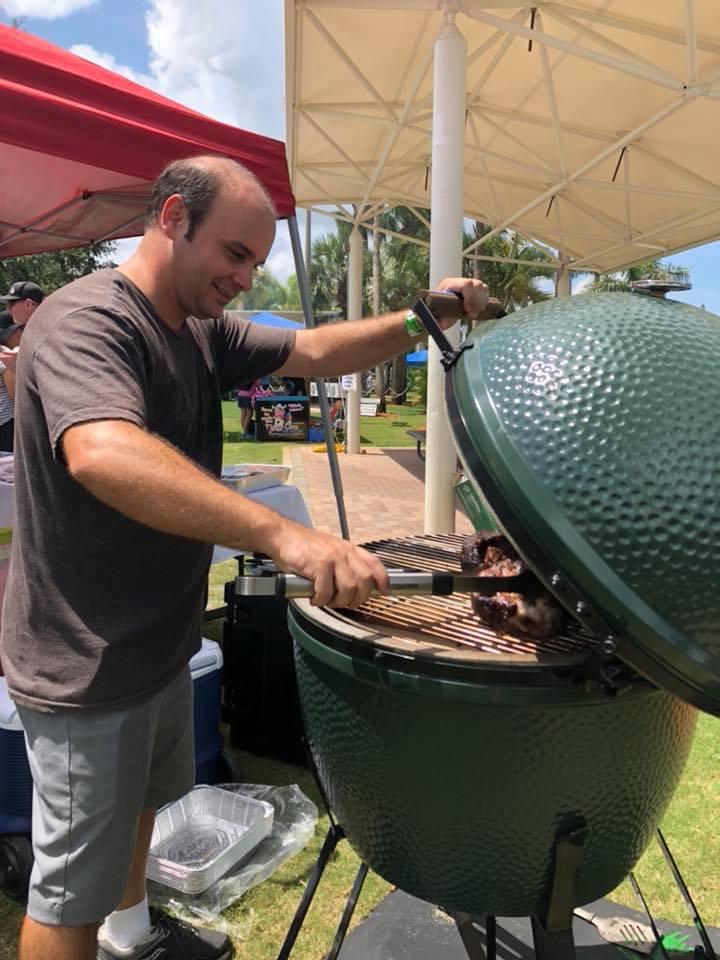
    Grilling At Bonita Springs Eggfest 2019

    Coffee Infused Teriyaki Jerk Ribeye Steak Skewers

    Step up your grilling prowess and impress your family and guests with this easy to follow recipe.
    Try it for yourself.

    Ingredients

    • ⅓  cup The Shizzle Original Recipe Jerk Marinade
    • 2 cups Kikkoman teriyaki glaze (do not use the teriyaki marinade as it is too similar to soy sauce)
    • ½  cup brown sugar
    • ¼  cup soy sauce
    • ½  cup very strong brewed Grumpy Goat Colombian dark roast coffee
    • Add salt and pepper to taste

    Preparation

    1. Trim and cube the ribeye steak into bite-size chunks.
    2. Blend all marinade ingredients including Grumpy Goat Colombian dark roast coffee, soy sauce, brown sugar, marinade, glaze, salt and pepper.
    3. Marinate the meat for 18 hours. This recipe makes enough marinade for 2-3 lbs of ribeye steak.
      Do not marinate the vegetables or fruit that will be used on the skewers.
    4. Prep for assembling the skewers by cutting up chunks of onion, bell pepper (red, green, yellow – make it colorful for a great presentation), cherry tomatoes and anything else you would like to add (we used pineapple chunks) and then assemble the skewers. Save the marinade.
    5. Prior to placing the skewer on the grill, brush each side of with the remaining marinade.
    6. Grill over direct heat and for about 3 minutes and then flip and grill until desired doneness is achieved.
    7. Serve and enjoy!

    Tip: If you want a more smokey flavor, cook over indirect heat and add wood chips to the grill and cook to desired doneness.

  • Grumpy Goat’s Award-Winning Coffee Rubbed Pulled Pork Recipe

    Grumpy Goat’s Award-Winning Coffee Rubbed Pulled Pork Recipe

    [fusion_builder_container hundred_percent=”no” equal_height_columns=”no” menu_anchor=”” hide_on_mobile=”small-visibility,medium-visibility,large-visibility” class=”” id=”” background_color=”” background_image=”” background_position=”center center” background_repeat=”no-repeat” fade=”no” background_parallax=”none” parallax_speed=”0.3″ video_mp4=”” video_webm=”” video_ogv=”” video_url=”” video_aspect_ratio=”16:9″ video_loop=”yes” video_mute=”yes” overlay_color=”” video_preview_image=”” border_color=”” border_style=”solid” padding_top=”” padding_bottom=”” padding_left=”” padding_right=”” type=”legacy”][fusion_builder_row][fusion_builder_column type=”1_1″ layout=”1_1″ background_position=”left top” background_color=”” border_color=”” border_style=”solid” border_position=”all” spacing=”yes” background_image=”” background_repeat=”no-repeat” padding_top=”” padding_right=”” padding_bottom=”” padding_left=”” margin_top=”0px” margin_bottom=”0px” class=”” id=”” animation_type=”” animation_speed=”0.3″ animation_direction=”left” hide_on_mobile=”small-visibility,medium-visibility,large-visibility” center_content=”no” last=”true” min_height=”” hover_type=”none” link=”” border_sizes_top=”” border_sizes_bottom=”” border_sizes_left=”” border_sizes_right=”” first=”true” type=”1_1″][fusion_text columns=”” column_min_width=”” column_spacing=”” rule_style=”default” rule_size=”” rule_color=”” content_alignment_medium=”” content_alignment_small=”” content_alignment=”” hide_on_mobile=”small-visibility,medium-visibility,large-visibility” sticky_display=”normal,sticky” class=”” id=”” font_size=”” line_height=”” letter_spacing=”” text_color=”” animation_type=”” animation_direction=”left” animation_speed=”0.3″ animation_offset=””]

    Grumpy Goat Recipes Blog

    Grumpy Goat’s Award-Winning Coffee Rubbed Pulled Pork Recipe

    Team Grumpy Goat took 2nd place at the inaugural Big Green EGGfest in Riverside Park in historic downtown Bonita Springs, sponsored by the Big Green Egg, with our pulled pork recipe!

    The Grumpy Goat team thought long and hard about what we’d be preparing for the event. After a lot of preparation, we decided on a southwest Florida favorite: pulled pork.

    You just can’t go wrong with delicious barbecue. We knew we wanted to incorporate the rich flavors of our Ethiopian coffee, so we concocted a pig rub, featuring Grumpy Goat Coffee’s Ethiopian Dark Roast, and the results were award-winning!

    We had a blast at the inaugural Big Green EGGFest and we are always excited to collaborate on fun cooking recipes that incorporate coffee. Grumpy Goat wants you to try the Grumpy Goat pulled pork recipe for yourself. Try the recipe below and tag us on Instagram at @grumpygoatcoffee so we can see your cooking in action!

    grumpy goat pulled pork recipeGrumpy Goat Pig Rub Recipe

    • 1 cup fine ground of Grumpy Goat Coffee’s Ethiopian Dark Roast
    • 2 cups light brown sugar
    • 1 cup light chili powder
    • 1/2 cup paprika
    • 1/4 cup Adobo seasoning
    • 1/4 cup salt
    • 3 tablespoons granulated garlic
    • Combine ingredients. This is enough rub for 10-15 lbs of meat or 5 cups

    Grumpy Goat Mop Sauce Recipe

    • 1/2 cup of roasting juices from pork (optional)
    • 1 cup Sweet Baby Ray’s bbq sauce
    • 1/2 cup cider vinegar
    • 2 teaspoons Adobo seasoning
    • 1/2 cup sugar
    • 2/3 cup Grumpy Goat Coffee’s dark roast, espresso strength
    • Makes enough mop sauce for 5-7 pounds cooked meat.

    Grumpy Goat Pulled Pork Recipe

    • 5 pounds pork butt
    • 1 1/2 cups Grumpy Pork Rub
    • 6 cloves garlic split in half
    • 1 cup mojo criollo strained
    • 1 marinade injector
    • 1 large plastic food bag

    Directions

    • Pat dry pork butt using the injector. Inject 1 cup of mojo into various areas of the pork roast. Then using a paring knife poke 12 holes randomly in the pork roast. Insert garlic halves into the holes pushing them deep. Rub the 1 1/2 cups of pig rub covering entire roast. Place in a food bag and marinate overnight.
    • Using a smoker, egg grill or oven preheat to 325 degrees. Cook pork 30 minutes per pound or to 180 degrees until very tender.
    • Note: If using a roasting bag you can cook the pork right in the same bag that you marinated it in when using an oven.
    • Pork should have a nice black crust. Be sure to serve that as well or incorporate that into your pulled pork using the roasting juices.

    Try Our Pulled Pork Recipe

    Make it a Grumpy Goat day with a rich cup of Grumpy Goat Coffee Ethiopian Dark Roast to get you amped to cook our pulled pork recipe! Stock up on Grumpy Goat Coffee and rep us with one of our comfy t-shirts or tanks available at the roastery.

    [/fusion_text][/fusion_builder_column][/fusion_builder_row][/fusion_builder_container]

  • Quest for the Perfect Cup of Coffee

    Quest for the Perfect Cup of Coffee

    Quest for the Perfect Cup of Coffee

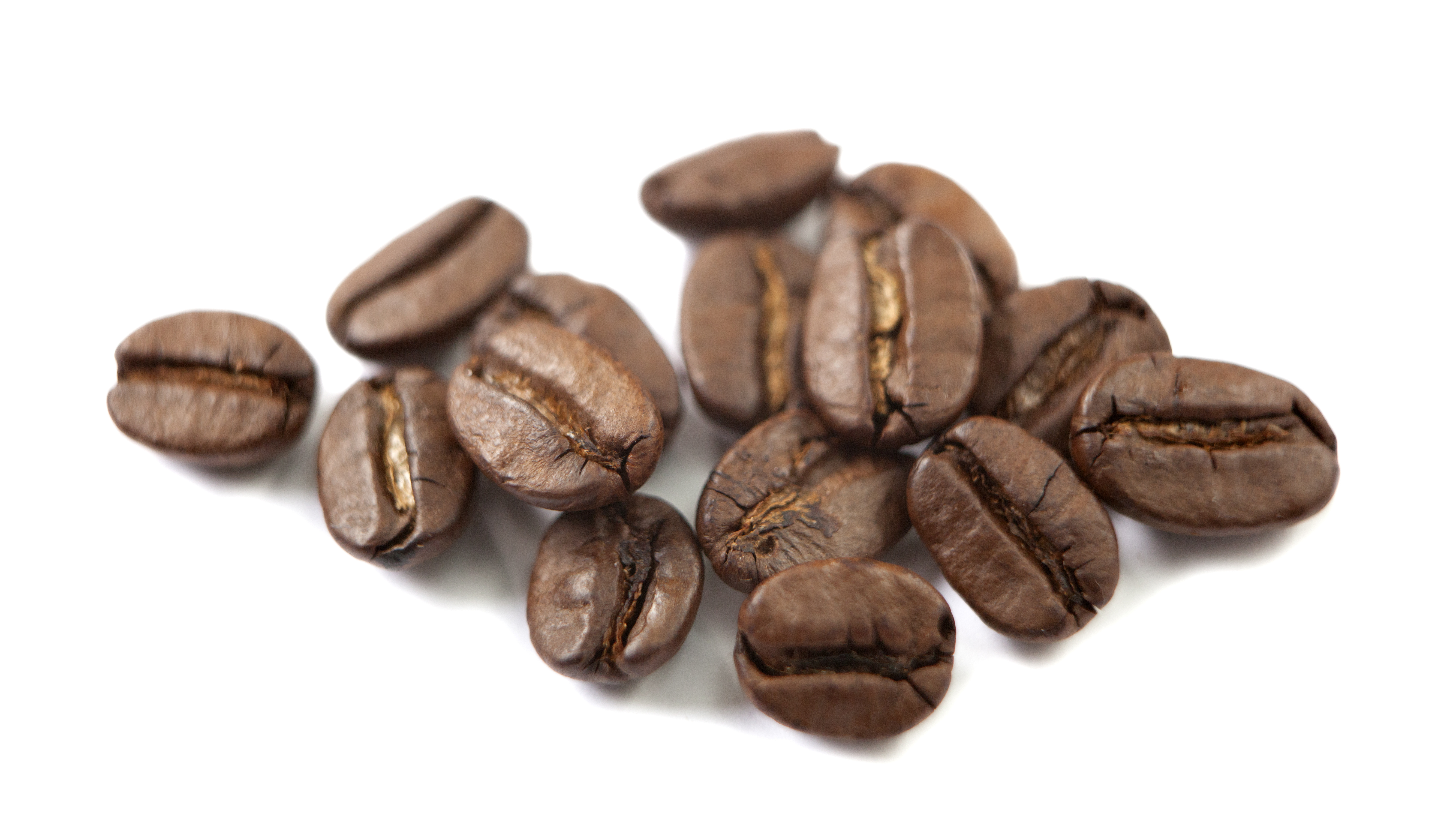
    grumpy goat coffee beansAlthough many people enjoy their daily ritual of drinking coffee how do you know if you are preparing and consuming it correctly?  
    There are several factors that affect the quality and taste of your coffee. The primary ones are bean quality, water quality and equipment.

    Follow this guide to become a more educated coffee consumer.

    Bean Quality

    The perfect cup of coffee starts with great beans and their traceability.

    Major factors that separate good from great beans include the country and region of origin, roast type, grind texture, age and storage.

    Traceability

    Single origin: Coffee beans that comes from one specific region, co-op or farm.

    Fair trade: Fair trade organizations (FTO) create trading partnerships that guarantees items considered “Fair Trade” come from farmers who are paid at least the established minimum price for coffee.

    Organic: USDA organic coffee is verified by a USDA-accredited certifying agent before products can be labeled USDA organic.

    Elevation: Gourmet coffee beans are typically grown at high altitude.

    Roast type

    Light: Beans are light brown in color, light body, with no oily surface. Light roasts typically contain the more fruity, citrusy flavor notes of a flavor profile.

    Medium: Coffee that is typically a medium brown color once roasted. It maintains the fruity or citrus notes of a light roast but starts to take on the heavier notes of the flavor profile. Other names for it include American Roast and Breakfast Roast.

    Dark: Coffee beans that are typically roasted 90-120 seconds longer than a medium roast. This is where the coffee will take on all of the heavier flavor profiles such as chocolate, toffee and cherry. This coffee varies in color from dark brown to black.

    Grind Type & Texture

    The size of the grind impacts the taste of your coffee. For example, if your coffee tastes bitter it may be ground too fine or if it tastes flat it may be ground too coarse. The optimal grind type is specific to your brewing preference:

    French Press: produces coffee by steeping course grounds with hot water through a metal filter that is plunged with the grounds to the bottom of the vessel.

    Auto Drip: uses a grind texture about half way between coarse and fine to extract flavor through the water’s contact with the coffee.

    Keurig®: reusable pods for single serve systems call for grind texture similar to automatic drip.

    Pour Over: involves pouring a thin and steady stream of water slowly over finely ground beans using a filter cone using a swan-neck kettle.

    Espresso: produced when hot water is forced through fine coffee grounds via pressure.

    Age

    If you buy whole coffee beans, grind them as close to the brew time as possible to maximize the freshness. Fresh roasted coffee beans are the main difference to a quality brew. A good rule of thumb is to buy enough to use within one to two weeks.

    Storage

    The greatest enemies of coffee beans are air, moisture, heat and light. Avoid clear canisters which allow light to compromise the coffee. Keep your beans in a dark and cool location. Storing them in a freezer or refrigerator is not necessary. Invest in opaque storage canisters with an airtight seal and store at room temperature.

    Water Quality

    Water quality and temperature are both important to brewing the perfect cup of coffee. Use filtered or bottled water. Avoid the strong odor or tastes from tap water additives such as chlorine. If you are using tap water, let it run a few seconds before filling your coffee pot.  Always use cold water. Avoid distilled or softened water. Use 1-2 tablespoons of ground coffee for every six ounces of water.

    Your brewer should maintain a water temperature between 195 to 205 degrees Fahrenheit. When brewing coffee manually, let the water come to a full boil. Then turn off the heat source. Allow the water to rest a minute before pouring it over the grounds.

    Equipment

    Great coffee can come from any type of equipment from a simple pour over device to an expensive machine. No matter which you use, make sure your grinder and filters are rinsed well after every use. This will avoid build up of grounds which can alter the taste of the coffee.

    Coffee is a very personal experience.  No matter what your favorite bean or roast type, the principles behind brewing the perfect cup remain the same. Understanding the source, quality and age of coffee beans and whether any man-made alteration was made to their flavor are important to know before it goes into your body.  

  • 10 Best Coffee Beers from Florida

    10 Best Coffee Beers from Florida

    10 of the best coffee beers in Florida

    The craft beer industry in the United States has been growing as microbreweries experiment with all kinds of ingredients to create innovative flavors. According to the Brewers Association craft brewer sales continued to grow at a rate of 5% by volume in 2017, reaching 12.7% of the U.S. beer market by volume. Craft production grew the most for microbreweries which account for 23% of the $111.4 billion U.S. beer market.

    Coffee is a popular ingredient in several styles of beer brewing such as stouts and porters and even brown ales. With more than 6,300 breweries operating during the year in the U.S. it’s hard to recognize all the best coffee inspired brews. Check out our top ten list of Florida based craft brewers who have earned bragging rights in the coffee beer category.

    10 of the best coffee beers in Florida

    Grumpy Goat Coffee Stout Beer
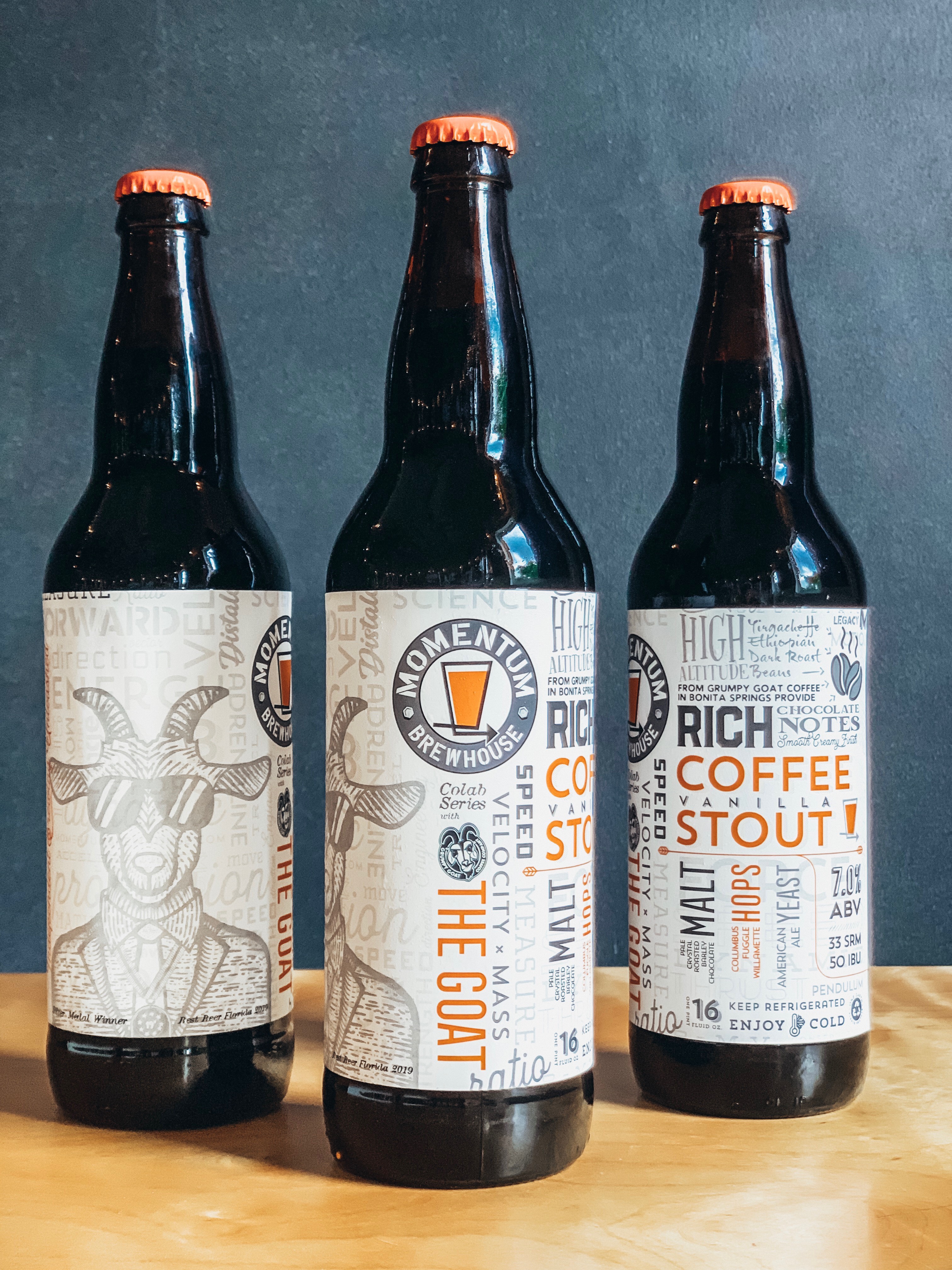
    The Goat Coffee Stout

    1. Grumpy Goat Coffee is a featured ingredient in one award winning Florida beer. Specifically, the Grumpy Goat Ethiopian dark roast lends its notes to The Goat, a stout created by Momentum Brewery in Bonita Springs, Florida. This collaboration earned a silver medal (among 16 entries) at the 2019 Brewer’s Ball and Best Florida Beer (BFB) competition (coffee stout/porter division) held in Tampa, Florida.

    The Ethiopian coffee beans are harvested from the famed Yirgacheffe region and are rated by professional cuppers at 86 points. Their rich, intense jasmine and toffee flavor give The Goat beer a unique, pleasant taste that finishes nicely.

    2. Angry Chair Brewing in Tampa, Florida makes Dulce De Pepe, a coffee stout style beer, in collaboration with Civil Society Brewing in Jupiter, Florida. This teamwork has resulted in one of the highest rated in the world according to Untappd, a mobile app for social sharing amongst beer fans. This highly rated beer has a coffee flavor blended with the smooth sweetness of chocolate and caramel. More than 1,100 Untappd reviews have resulted in a 4.3 / 5.0 rating.

    3. Brew Bus Brewing earned a gold medal for its Gong Show at the 2019 Brewer’s Ball and Best Florida Beer (BFB) competition in the coffee stout/porter division. This Vietnamese-style coffee beer is a smooth, tasty brew. Beer enthusiasts in the Tampa area should seek this one out.

    4 & 5. Funky Buddha Brewery in Oakland Park, Florida has a duo of the most highly rated coffee porters globally. Both sport a 6.4% ABV and 4.3 / 5.0 rating on Untappd with more than 30,000 reviews. Their Maple Bacon Coffee Porter was the 2016 gold medal winner of the World Beer CupSM (specialty beer division). Its creamy mouth feel and layers of sweet malt, coffee and salted chocolate make it sound luxurious. Meanwhile, Last Snow is a coconut and coffee porter option.

    6. All the way across the Florida peninsula on the Gulf coast in Fort Myers is Bury Me Brewing.  This small batch craft brewer features a very popular coffee coconut pairing called Hell Bound.  The American brown ale is rated 4.2 / 5.0 by Untappd users. Look out for its notes of chocolate and honey.

    7. Whiskey Jitters SB by Side Door Brewing Co. took the bronze medal at the 2019 Brewer’s Ball and Best Florida Beer (BFB) competition in the coffee stout/porter division. Besides the whiskey and coffee flavor, expect your tongue to pick up Kahlua, caramel, and vanilla flavors too.

    8. South Cypress Brewing of Naples, Florida has a staple coffee beer called Cacophany, a coconut-coffee brown ale. “It’s got a good balance between maltiness, coffee and coconut,” brewer Mike Rose says. “If you’re going to have a beer early in the day, it’s a great way to transition from your coffee to your beer.”

    9. Brew Hub earned the gold medal for its coffee beer, Matte Black at the BFB event. This gem is the product of a partnership between Brew Hub & Concord Coffee in Lakeland.  The German black lager (aka Schwarzbier) features coffee from Guatemalan beans. The cold brew process is used to protect the subtle flavors. This results in a rich but smooth, velvety experience.

    10. Meanwhile, at the same BFB competition, six year old Fort Myers Brewing Company earned a medal for its chocolate beer, Somebody ELse’s Dream (SB). This isn’t the hardware earned by this recipe.  Their chocolate stout, also won a gold medal at the 2018 U.S. Open Beer Championships and a silver award at the 2018 World Beer Cup, an international competition often referred to as “The Olympics of Beer Competitions.”

    BONUS COFFEE BEER TIP! 
    One of the newest Florida brew pubs on the scene is Eight-Foot Brewing located in Cape Coral. “Black, viscous and strong,” is how they describe their Russian Imperial Stout.  It warms you up during Florida’s harsh winters (giggle) with its strong coffee flavor and bitter chocolate taste.

  • A Guide to World Coffee Regions

    A Guide to World Coffee Regions

    [fusion_builder_container hundred_percent=”no” equal_height_columns=”no” menu_anchor=”” hide_on_mobile=”small-visibility,medium-visibility,large-visibility” class=”” id=”” background_color=”” background_image=”” background_position=”center center” background_repeat=”no-repeat” fade=”no” background_parallax=”none” parallax_speed=”0.3″ video_mp4=”” video_webm=”” video_ogv=”” video_url=”” video_aspect_ratio=”16:9″ video_loop=”yes” video_mute=”yes” overlay_color=”” video_preview_image=”” border_color=”” border_style=”solid” padding_top=”” padding_bottom=”” padding_left=”” padding_right=”” type=”legacy”][fusion_builder_row][fusion_builder_column type=”1_1″ layout=”1_1″ background_position=”left top” background_color=”” border_color=”” border_style=”solid” border_position=”all” spacing=”yes” background_image=”” background_repeat=”no-repeat” padding_top=”” padding_right=”” padding_bottom=”” padding_left=”” margin_top=”0px” margin_bottom=”0px” class=”” id=”” animation_type=”” animation_speed=”0.3″ animation_direction=”left” hide_on_mobile=”small-visibility,medium-visibility,large-visibility” center_content=”no” last=”true” min_height=”” hover_type=”none” link=”” border_sizes_top=”” border_sizes_bottom=”” border_sizes_left=”” border_sizes_right=”” first=”true” type=”1_1″][fusion_text columns=”” column_min_width=”” column_spacing=”” rule_style=”default” rule_size=”” rule_color=”” content_alignment_medium=”” content_alignment_small=”” content_alignment=”” hide_on_mobile=”small-visibility,medium-visibility,large-visibility” sticky_display=”normal,sticky” class=”” id=”” font_size=”” line_height=”” letter_spacing=”” text_color=”” animation_type=”” animation_direction=”left” animation_speed=”0.3″ animation_offset=””]

    Top Coffee Growing Regions in the World

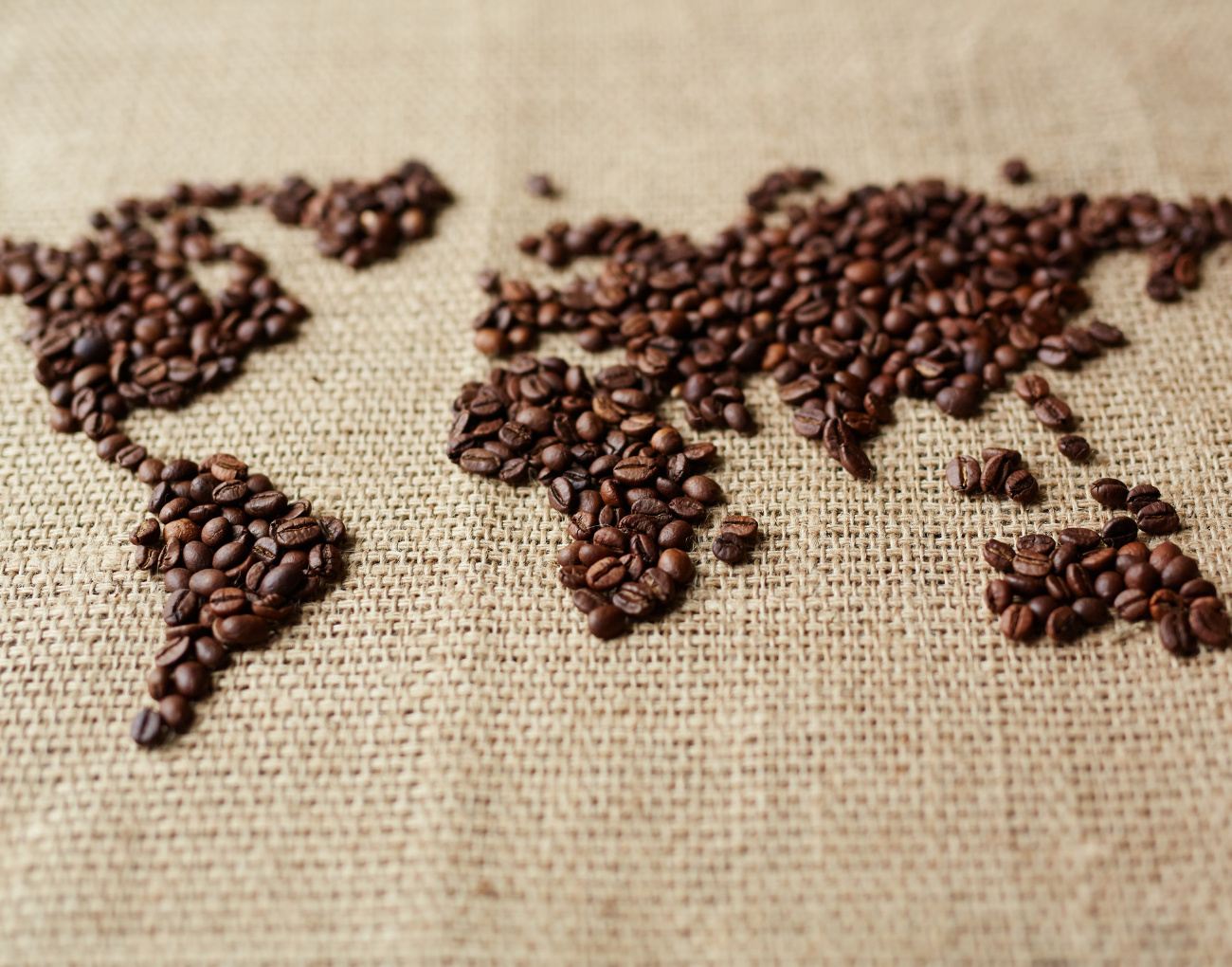
    When you pour a cup of your favorite coffee in the wee hours of the morning, the last thing you’re thinking about is if it came from one of the top coffee growing regions. However, as time allows and you experiment with different types of coffee, you may pay closer attention to the origin.

    It’s important to remember that not all coffee is the same. Coffee is grown in many parts of the world, with each region bringing something unique to the industry. For example, altitude, weather conditions and soil have a major impact on both quality and taste.

    With that in mind, let’s examine the four top coffee regions in the world:

    1. Central America

    For many years, Central America has been known as the number one coffee-growing region in the world. The countries at the forefront of the industry include:

    Thanks to differing altitudes throughout the region, Central America produces a diverse range of coffee flavors. With the perfect amount of acidity, many people will only drink coffee that comes from a Central American country.

    Southern Mexico is home to the El Triunfo Biosphere Reserve. It is a unique growing region for highly sought after coffee. El Triunfo is notable for its cloud forests and is home to 548 species of terrestrial vertebrates and 588 species of butterflies and moths.

    2. South America

    It may not receive as much attention as Central America, but South America has plenty to offer coffee drinkers.

    In fact, Brazil is the largest coffee producing country in the world. While the country struggled with consistency for many years, this has changed as of late. Brazilian coffee is now known far and wide for its low acidity, creamy body, and a variety of flavors.

    Just the same, Colombia, which is located at the northern tip of South America, has the perfect climate and location for producing some of the best coffee in the world.

    Lesser known than their Colombia neighbors, the coffee from Peru is also amazing and consistently one of the top selling origins at Grumpy Goat Coffee.

    Even less know is Bolivia where a small number of specialty coffee farms are operating.

    3. Africa

    Don’t sleep on Africa. There are many countries in the Lake Kivu region that are known for producing high quality coffee. For example, Ethiopia, which is home to the Arabica tree, is known for its bold flavor and natural approach to growing coffee.

    Head to the other side of Africa and you’ll find Kenya, a country known for its milder acidic coffee with fruity notes. Tanzania is well-known for its production of peaberry coffee. Rwanda, Uganda, Burundi and the Democratic Republic of Congo all have coffee farms operating at high altitude that produce some of the world’s best tasting coffee.

    4. Indonesia and Vietnam

    Indonesia and Vietnam are two of the world’s leading coffee producers, and their specialty coffees are quickly gaining a reputation for their unique flavors and high quality.

    Indonesia is the world’s fourth-largest coffee producer, and its coffee industry has a long and rich history. Coffee was first introduced to Indonesia in the 17th century by Dutch colonists, and it quickly became a major export crop. Today, various Indonesian islands are home to some of the most prized Arabica coffees in the world.

    Indonesia’s specialty coffees are known for their complex flavors and aromas. Some of the most popular Indonesian specialty coffees include:

    • Sumatra: This coffee is grown in the highlands of Sumatra, Indonesia, and it is known for its smooth, creamy flavor with hints of fruit and spice.
    • Java: Coffee from the Preanger region in Western Java is sweet with winey fruit acidity with cedar and sweet bell pepper flavors.
    • Sulawesi: This coffee is grown in the highlands of Sulawesi, Indonesia, and it is known for its bright, acidic flavor with hints of fruit and floral notes.
    • Papua New Guinea: In the eastern highlands the coffee can have melon, blackberry, grapefruit, cane sugar, and buttermilk flavors.

    Vietnam is the world’s second-largest coffee producer, and it is the largest producer of Robusta coffee. Robusta coffee is a type of coffee that is known for its high caffeine content and its bold flavor. On their own, Robusta beans are not much of a tolerable beverage but when blended in with Arabica beans, the industry has learned to make a variety of commercial coffee products, including instant coffee and canned coffee. Robusta beans are what give off the crema you see on a typical espresso coffee.

    In recent years, Vietnam has also begun to produce a variety of specialty Arabica coffees. These coffees are grown in the country’s Central Highlands, such as the Lan Dong region, and they are known for their mellow, smooth flavor and delicate aroma, often with cherry, praline, and cocoa flavors.

    Top Coffee Growing Regions

    These are the four top coffee growing regions in the world, but don’t hesitate to experiment with products that come from other areas. You never know when you’ll find something that makes your taste buds dance.

    The specialty coffee market is growing rapidly, and all of the aforementioned regions are well-positioned to capitalize on this growth. These coffee growing countries have a strong agricultural sector and a growing middle class, which is creating a demand for high-quality coffee.

    In addition, many coffee famers are committed to improving the quality of their coffee. The governments of both countries are investing in research and development, and they are working to improve the quality of coffee production.

    As a result of these factors, the prospects are strong for the specialty coffee market. In the years to come, we can expect to see more and more options for high-quality coffees available for import to the United States, to our roastery and ultimately to your kitchen table.[/fusion_text][/fusion_builder_column][/fusion_builder_row][/fusion_builder_container]

  • Mexican Coffee Recipe

    Mexican Coffee Recipe

    [fusion_builder_container hundred_percent=”no” hundred_percent_height=”no” hundred_percent_height_scroll=”no” hundred_percent_height_center_content=”yes” equal_height_columns=”no” menu_anchor=”” hide_on_mobile=”small-visibility,medium-visibility,large-visibility” class=”” id=”” background_color=”” background_image=”” background_position=”center center” background_repeat=”no-repeat” fade=”no” background_parallax=”none” enable_mobile=”no” parallax_speed=”0.3″ video_mp4=”” video_webm=”” video_ogv=”” video_url=”” video_aspect_ratio=”16:9″ video_loop=”yes” video_mute=”yes” video_preview_image=”” border_size=”” border_color=”” border_style=”solid” margin_top=”” margin_bottom=”” padding_top=”” padding_right=”” padding_bottom=”” padding_left=””][fusion_builder_row][fusion_builder_column type=”1_1″ layout=”1_1″ spacing=”” center_content=”no” link=”” target=”_self” min_height=”” hide_on_mobile=”small-visibility,medium-visibility,large-visibility” class=”” id=”” background_color=”” background_image=”” background_position=”left top” background_repeat=”no-repeat” hover_type=”none” border_size=”0″ border_color=”” border_style=”solid” border_position=”all” padding_top=”” padding_right=”” padding_bottom=”” padding_left=”” dimension_margin=”” animation_type=”” animation_direction=”left” animation_speed=”0.3″ animation_offset=”” last=”no”][fusion_text columns=”” column_min_width=”” column_spacing=”” rule_style=”default” rule_size=”” rule_color=”” class=”” id=””]

    Mexican Coffee Recipe

    Mexican Coffee Recipe with Grumpy Goat Coffee

    Mexican coffee is unique because the brewing process adds in unrefined sugar, cinnamon and fresh orange peel. These ingredients are not just sprinkled in after the coffee is prepared. This makes Mexican coffee both sweet and spicy. Try it for yourself.

    Mexican Coffee Ingredients

    10 coffee cups (60 ounces) strongly brewed Grumpy Goat Colombian Dark Roast
    5 ounces piloncillo*
    1 large cinnamon stick
    ½ orange peel sliced into strips (half of the peel of a medium to large orange)

    *Piloncillo is commonplace in Mexico, but it’s not always easy to find in the United States. It’s unrefined sugar cane, often sold in small cones. You might find it at a Mexican grocery store or in the Latino section of a large supermarket. For the most authentic Café de Olla, use piloncillo. If you can’t find it, though, 1 cup of brown sugar will serve as a fine substitute.

    6 Steps to Brew Mexican Coffee

    1) Brew the Colombian dark roast coffee and then add to a medium saucepan.
    2) Add the piloncillo or brown sugar and stir so it dissolves.
    3) Add cinnamon stick and orange peel slices.
    4) Set the heat to medium and simmer uncovered 15 minutes (if the coffee is boiling it is too hot).
    5) Strain out the cinnamon stick and orange peel.
    6) Serve and enjoy! Garnish with extra cinnamon sticks or orange peels for added flair.

    [/fusion_text][/fusion_builder_column][/fusion_builder_row][/fusion_builder_container]

  • How Does Water Affect Your Coffee?

    How Does Water Affect Your Coffee?

    hot water

    As you already know, water is a primary ingredient in any good cup of coffee. 

    When you combine high-quality water with the best coffee grounds, you end up with a cup of coffee that not only tastes good but also gives off an intoxicating aroma.

    While many people think long and hard about the coffee grounds they purchase, most never consider the water they use.

    Doesn’t it make sense to use the best kind of water if you want to brew the best cup of coffee?

    Your Options

    Generally speaking, you only have a few options when choosing water for your coffee:

    • Filtered water
    • Tap water
    • Bottled water

    These are the most common, as they are readily available in most places where you’ll prepare coffee. It’s easy to believe that the type of water doesn’t matter since it’s boiled anyway. However, this is the wrong approach. The kind of water you choose can affect the taste and aroma of your coffee.

    Consider this: tap water contains more impurities, which can result in an acidic or metallic taste. Do you want that mixing with your high-quality coffee beans? 

    Even if you have access to filtered water, it’s still important to check it for minerals. You don’t want to use either hard or soft water to make your coffee, as both can affect the taste. 

    Tip: if you have to choose between hard and soft water, soft is the way to go. Hard water will affect the taste, but soft water is much less noticeable. 

    Last, but certainly not least, consider the temperature of the water. For the perfect cup of coffee, you want the temperature to reach approximately 200 degrees. With a lower temperature, you may not generate as much flavor as you would like. Conversely, if the temperature is too high, the result is a burnt taste.

    Before you brew your next cup of coffee, think long and hard about the water you’re using and the temperature it reaches.

  • Is Coffee for the Office Tax-Deductible?

    Is Coffee for the Office Tax-Deductible?

    [fusion_builder_container hundred_percent=”no” equal_height_columns=”no” menu_anchor=”” hide_on_mobile=”small-visibility,medium-visibility,large-visibility” class=”” id=”” background_color=”” background_image=”” background_position=”center center” background_repeat=”no-repeat” fade=”no” background_parallax=”none” parallax_speed=”0.3″ video_mp4=”” video_webm=”” video_ogv=”” video_url=”” video_aspect_ratio=”16:9″ video_loop=”yes” video_mute=”yes” overlay_color=”” video_preview_image=”” border_color=”” border_style=”solid” padding_top=”” padding_bottom=”” padding_left=”” padding_right=”” type=”legacy”][fusion_builder_row][fusion_builder_column type=”1_1″ layout=”1_1″ background_position=”left top” background_color=”” border_color=”” border_style=”solid” border_position=”all” spacing=”yes” background_image=”” background_repeat=”no-repeat” padding_top=”” padding_right=”” padding_bottom=”” padding_left=”” margin_top=”0px” margin_bottom=”0px” class=”” id=”” animation_type=”” animation_speed=”0.3″ animation_direction=”left” hide_on_mobile=”small-visibility,medium-visibility,large-visibility” center_content=”no” last=”true” min_height=”” hover_type=”none” link=”” border_sizes_top=”” border_sizes_bottom=”” border_sizes_left=”” border_sizes_right=”” first=”true” type=”1_1″][fusion_text columns=”” column_min_width=”” column_spacing=”” rule_style=”default” rule_size=”” rule_color=”” content_alignment_medium=”” content_alignment_small=”” content_alignment=”” hide_on_mobile=”small-visibility,medium-visibility,large-visibility” sticky_display=”normal,sticky” class=”” id=”” font_size=”” line_height=”” letter_spacing=”” text_color=”” animation_type=”” animation_direction=”left” animation_speed=”0.3″ animation_offset=””]

    grumpy goat coffee beansLike millions of other people, there’s a good chance you need your morning coffee to get up to speed and reach peak performance. As a business owner, you may find yourself buying quite a bit of coffee. Not only do you need this for yourself, but you also supply it for the office. After all, you want your workers to be as productive as possible.

    There’s only one problem with this: The cost of coffee can quickly add up. With this in mind, there’s an important question to answer: Is coffee for the office tax-deductible?

    There is no simple answer to this question, as each company approaches food and beverages for the office in a different way. Generally speaking, coffee for the office is tax-deductible as the IRS typically considers this item a fringe benefit.

    Note: if you purchase coffee related supplies for the office, such as a coffee maker, it can also qualify as a tax deduction. 

    Before you deduct coffee as a business expense, let’s look at some of the things that must come into play in order to qualify as a tax deduction:

    • The expense is reasonable (deducting $100k per year for coffee is a red flag)
    • The coffee is purchased by the employer and provided to employees
    • The coffee is provided to improve productivity, provide a better work environment, or to offer some other type of benefit to employees

    What to do next

    At this point, you may assume that coffee for the office is tax-deductible. And while you may be right, there are still a few things you’ll want to do:

    • Discuss this expense with your tax professional
    • Create a system for tracking all coffee related expenses (in case of a tax audit)
    • Stay current with any IRS rules and regulations that impact your deduction

    So, there you have it. If you’re buying coffee for the office, you might as well consider if it’s tax-deductible. There’s no point in missing out on a deduction that can save you money.

    [/fusion_text][/fusion_builder_column][/fusion_builder_row][/fusion_builder_container]