Category: Grind

Grind

  • Anaerobic Coffee Processing: A Deep Dive for Grumpy Goat Coffee Drinkers

    Anaerobic Coffee Processing: A Deep Dive for Grumpy Goat Coffee Drinkers

    [fusion_builder_container type=”legacy” hundred_percent=”no” hundred_percent_height=”no” hundred_percent_height_scroll=”no” align_content=”stretch” flex_align_items=”flex-start” flex_justify_content=”flex-start” hundred_percent_height_center_content=”yes” equal_height_columns=”no” container_tag=”div” hide_on_mobile=”small-visibility,medium-visibility,large-visibility” status=”published” border_style=”solid” padding_top=”25px” box_shadow=”no” box_shadow_blur=”0″ box_shadow_spread=”0″ gradient_start_position=”0″ gradient_end_position=”100″ gradient_type=”linear” radial_direction=”center center” linear_angle=”180″ background_position=”center center” background_repeat=”no-repeat” fade=”no” background_parallax=”none” enable_mobile=”no” parallax_speed=”0.3″ background_blend_mode=”none” video_aspect_ratio=”16:9″ video_loop=”yes” video_mute=”yes” absolute=”off” absolute_devices=”small,medium,large” sticky=”off” sticky_devices=”small-visibility,medium-visibility,large-visibility” sticky_transition_offset=”0″ scroll_offset=”0″ animation_direction=”left” animation_speed=”0.3″ filter_hue=”0″ filter_saturation=”100″ filter_brightness=”100″ filter_contrast=”100″ filter_invert=”0″ filter_sepia=”0″ filter_opacity=”100″ filter_blur=”0″ filter_hue_hover=”0″ filter_saturation_hover=”100″ filter_brightness_hover=”100″ filter_contrast_hover=”100″ filter_invert_hover=”0″ filter_sepia_hover=”0″ filter_opacity_hover=”100″ filter_blur_hover=”0″][fusion_builder_row][fusion_builder_column type=”1_1″ layout=”1_1″ background_position=”left top” background_color=”” border_color=”” border_style=”solid” border_position=”all” spacing=”yes” background_image=”” background_repeat=”no-repeat” padding_top=”” padding_right=”” padding_bottom=”” padding_left=”” margin_top=”0px” margin_bottom=”0px” class=”” id=”” animation_type=”” animation_speed=”0.3″ animation_direction=”left” hide_on_mobile=”small-visibility,medium-visibility,large-visibility” center_content=”no” last=”true” min_height=”” hover_type=”none” link=”” border_sizes_top=”” border_sizes_bottom=”” border_sizes_left=”” border_sizes_right=”” first=”true”][fusion_text columns=”” column_min_width=”” column_spacing=”” rule_style=”default” rule_size=”” rule_color=”” content_alignment_medium=”” content_alignment_small=”” content_alignment=”” hide_on_mobile=”small-visibility,medium-visibility,large-visibility” sticky_display=”normal,sticky” class=”” id=”” font_size=”” line_height=”” letter_spacing=”” text_color=”” animation_type=”” animation_direction=”left” animation_speed=”0.3″ animation_offset=””]

    anaerobic coffee processingAnaerobic Coffee Processing: A Deep Dive for Grumpy Goat Coffee Drinkers


    Anaerobic processing has rapidly moved from coffee competitions into the cups of everyday specialty drinkers — and here at Grumpy Goat Coffee, it’s become one of the most exciting categories we roast when harvest cycles allow. While our inventory shifts from season to season, we’ve featured standout anaerobic coffees from Ecuador (Juan Peña / Hacienda La Papaya), Brazil (Fazenda Vassourão), Uganda Gorilla Summit, Burundi, El Salvador, and India (Ratnagiri Estate), offering Southwest Florida coffee lovers a chance to taste fermentation-driven flavors unlike anything in traditional washed or natural coffees.

    This expanded guide explains what anaerobic processing is, explores various fermentation techniques (including honey variations and yeast-driven methods), highlights regions around the world known for these innovations, and includes internal links to help you continue exploring the world of specialty coffee on grumpygoat.com.

    What Makes Anaerobic Coffee Different?

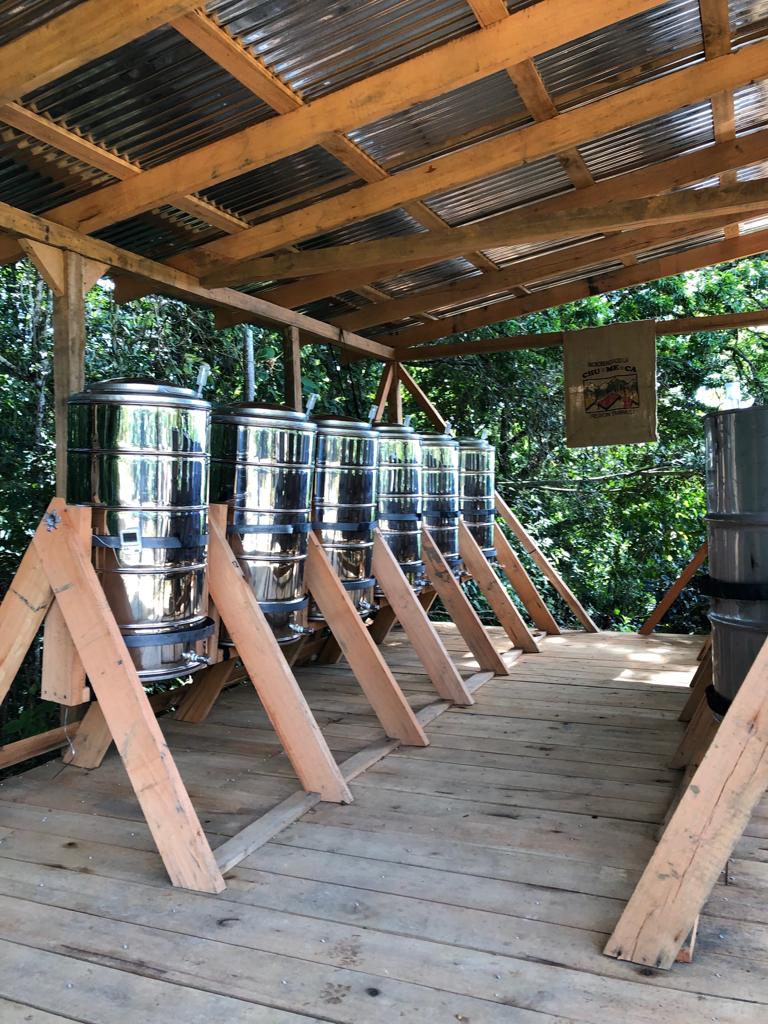
    In simple terms, anaerobic means fermented without oxygen. Instead of leaving coffee cherries or depulped seeds exposed to the air, farmers seal them in tanks, barrels, or bags that limit or eliminate oxygen.

    Inside these sealed vessels, naturally occurring yeasts and bacteria break down sugars in the fruit, releasing CO₂, heat, and a wide range of flavor-building compounds. The result is coffee with a flavor intensity and aromatic complexity that can include:

    •       Tropical fruit
    •       Berry-like acidity
    •       Lactic or creamy notes
    •       Wine-like aromatics
    •       Spices, florals, or dessert-like qualities

    Because anaerobic fermentation is a fermentation technique rather than a primary processing method, coffee farmers can apply it to washed, natural, or honey processes.

    If you’re new to specialty processing, you can also explore our article,

     ▶️ What Makes Fresh-Roasted Coffee Different?

    Anaerobic + Honey Processing (Yellow, Red & Black Honey)

    Honey processing sits between washed and natural. The cherries are depulped, but the sticky mucilage is left on the seeds to dry. Variations depend on how much mucilage remains and how slowly the coffee dries:

    •       Yellow Honey – Less mucilage, quicker drying, gentle fruit sweetness
    •       Red Honey – More mucilage, slower drying, richer fruit character
    •       Black Honey – Most mucilage, slowest drying, dense sweetness and deep fruit intensity

    When coffee producers combine these stages with anaerobic fermentation, they first seal the mucilage-covered beans in tanks, then finish drying them according to the honey style. This layering amplifies sweetness and complexity with refined control.

    While Costa Rica, Panama, and Brazil are widely known for honey innovations, these practices are now being used in other countries such as Burundi, El Salvador, India and with the list continuously growing. 

    Anaerobic Natural Processing

    In an anaerobic natural process, whole coffee cherries are sealed in an oxygen-poor environment before being dried in the sun. This technique prevents uncontrolled microbial activity and instead encourages desirable flavors to flourish.

    Cup characteristics usually include:

    •       Strong berry or tropical fruit notes
    •       Wine-like aromatics
    •       Heavy body and syrupy sweetness

    Anaerobic natural coffees are especially prominent in Colombia, Brazil, Costa Rica, Panama, and increasingly in Ethiopia.

    Anaerobic Washed Processing

    Anaerobic washed coffees are fermented in sealed tanks, either as whole cherries or as depulped parchment, before the mucilage is washed off. This technique preserves acidity and structure while still layering in complex fermentation notes.

    Expect:

    •       Bright, sparkling acidity
    •       Clean structure with elevated fruit
    •       A balance between clarity and complexity

    Carbonic Maceration — Including India’s Ratnagiri Estate

    Carbonic maceration (CM) is one of the most advanced and distinctive fermentation methods. Borrowed from the wine world, this technique places whole cherries in a sealed tank that is flushed or filled with carbon dioxide. With no oxygen available, fermentation happens inside the intact cherry — intensifying fruit flavors and developing delicate aromatics.

    Typical flavor traits include:

    •       Deep florals
    •       Saturated tropical fruit
    •       Silky or creamy texture
    •       Lactic, wine-like acidity

    Spotlight: India’s Ratnagiri Estate

    One of the most exciting producers exploring CM is Ratnagiri Estate in India’s Western Ghats. Their carbonic maceration lots have gained global recognition for delivering:

    •       Guava, mango, and papaya-like fruit
    •       Naturally sweet, almost dessert-like flavor profiles
    •       Remarkably clean yet adventurous fermentation notes

    Grumpy Goat Coffee has proudly roasted anaerobic microlots from India, including experimental styles from Ratnagiri, when available in our seasonal lineup.

    To learn more about how origin shapes flavor, visit:

     ▶️ Grumpy Goat Coffee Origins & Story

    Selected Yeast & “Carbonic Yeast” Fermentation

    Yeast-inoculated fermentation introduces carefully selected yeast strains into sealed tanks. Instead of relying solely on native microbes, producers can precisely steer flavor development.

    These coffees often show:

    •       Highly expressive fruit
    •       Floral or perfumy aromatics
    •       Elevated consistency across batches

    Some of the most refined yeast-processed coffees we’ve roasted come from experimental farms in Ecuador, including renowned producer Juan Peña, whose lots often showcase jasmine, candied fruit, and long, clean sweetness.

    Emerging Variations in Anaerobic Processing

    Because anaerobic methods are flexible and experimental, a growing number of hybrids are appearing:

    •       Double Anaerobic / Double Fermentation
    •       SIAF (Self-Induced Anaerobic Fermentation)
    •       Anaerobic Honey with Added Fruit Must or Aromatics
    •       Extended-fermentation naturals with scoped temperature and pH curves

    These experimental styles are especially common in Colombia, Panama, El Salvador, and India — all regions that have appeared on Grumpy Goat’s roasting calendar.

    Regions Leading Anaerobic Innovation

    While any coffee origin can implement anaerobic techniques, several countries have become recognized leaders:

    Colombia

    A global epicenter of experimental processing. Many of the most complex anaerobic naturals and CM lots come from Colombian microlots.

    Costa Rica

    Pioneers of honey processing and micromill innovation, producing some of the most refined anaerobic honey coffees.

    Panama

    Competition-level Gesha farms lead the world in precision fermentation.

    Brazil

    Large estates like Fazenda Vassourão are pushing anaerobic naturals, CM, and SIAF techniques further each year.

    India

    The Ratnagiri Estate and other progressive farms are making India a new powerhouse in fermentation-driven specialty coffee.

    Uganda, Burundi & El Salvador

    Producers here are using anaerobic processing to elevate microlots and distinguish regional profiles.

    How Anaerobic Coffees Taste — and How to Brew Them

    Anaerobic coffees can be bold, juicy, and layered — but they often benefit from careful brewing:

    Brewing Tips

    •       Lower water temperature (194–199°F) helps preserve aromatics
    •       Slightly coarser grind reduces intensity if fermentation notes feel heavy
    •       Try bypass or dilution on pourovers for clarity
    •       Make minor grind adjustments for different anaerobic styles

    For more brewing resources, check out:

     ▶️ How to Choose the Best Coffee for Your Taste

    Why Grumpy Goat Roasts Anaerobic Coffees (When Available)

    As a small-batch craft roastery in Bonita Springs, we choose anaerobic coffees because they:

    •       Tell powerful, origin-driven stories
    •       Showcase farm-level innovation
    •       Deliver unique, unforgettable flavor experiences
    •       Offer our customers something rare and ever-evolving

    Because these coffees depend heavily on harvest conditions and tiny microlot availability, we cannot stock them year-round. But when they appear on our menu — whether from Ecuador, Brazil, Uganda, India, or beyond — they represent some of the most expressive and unique coffees we roast.

    [/fusion_text][/fusion_builder_column][/fusion_builder_row][/fusion_builder_container]
  • Cold Brew Coffee Tips

    Cold Brew Coffee Tips

    [fusion_builder_container hundred_percent=”no” equal_height_columns=”no” menu_anchor=”” hide_on_mobile=”small-visibility,medium-visibility,large-visibility” class=”” id=”” background_color=”” background_image=”” background_position=”center center” background_repeat=”no-repeat” fade=”no” background_parallax=”none” parallax_speed=”0.3″ video_mp4=”” video_webm=”” video_ogv=”” video_url=”” video_aspect_ratio=”16:9″ video_loop=”yes” video_mute=”yes” overlay_color=”” video_preview_image=”” border_color=”” border_style=”solid” padding_top=”” padding_bottom=”” padding_left=”” padding_right=”” type=”legacy”][fusion_builder_row][fusion_builder_column type=”1_1″ layout=”1_1″ background_position=”left top” background_color=”” border_color=”” border_style=”solid” border_position=”all” spacing=”yes” background_image=”” background_repeat=”no-repeat” padding_top=”” padding_right=”” padding_bottom=”” padding_left=”” margin_top=”0px” margin_bottom=”0px” class=”” id=”” animation_type=”” animation_speed=”0.3″ animation_direction=”left” hide_on_mobile=”small-visibility,medium-visibility,large-visibility” center_content=”no” last=”true” min_height=”” hover_type=”none” link=”” border_sizes_top=”” border_sizes_bottom=”” border_sizes_left=”” border_sizes_right=”” first=”true” type=”1_1″][fusion_text columns=”” column_min_width=”” column_spacing=”” rule_style=”default” rule_size=”” rule_color=”” content_alignment_medium=”” content_alignment_small=”” content_alignment=”” hide_on_mobile=”small-visibility,medium-visibility,large-visibility” sticky_display=”normal,sticky” class=”” id=”” font_size=”” line_height=”” letter_spacing=”” text_color=”” animation_type=”” animation_direction=”left” animation_speed=”0.3″ animation_offset=””]

    cold brew coffee by grumpy goat

    Cold Brew Coffee Tips

    Cold brew coffee is a solution for coffee lovers looking to make their coffee habit less irritating to their GI tract. Low acid coffee is highly sought after for similar reasons. One of the top questions received at Grumpy Goat Coffee centers around coffee acidity and types of coffee origins and brew methods that can help control coffee acidity.

    1. What is the best way to make cold brew?
    We suggest an 18-24 hour steep with a ratio of 16 oz of coffee to 1.25 gallons of water. If you find that the result lacks flavor, try a longer steep time. Or, adjust your ratio of coffee to water to your personal taste.

    2. If I order whole bean coffee, how coarse of a grind should I request to make my own cold brew?
    Use a coarse grind to make cold brew, like you would for a french press style coffee. A course grind increases the surface area that the coffee can interact with the water to optimize the steeping process.

    3. Is it ok, and tasty, to warm up cold brew to make it hot for morning enjoyment?
    Yes! Warming up your cold brew is perfectly fine.

    4. Does the cold brew process make it have less caffeine – and by about how much?
    Despite your desire to reduce acid intake, we know you still want to enjoy that kick. The good news is that no caffeine is lost during the cold brew process.

    5. What is Nitro Cold Brew?
    Nitro cold brew is essentially regular cold brew that’s been infused with nitrogen, resulting in a creamy, frothy texture from microbubbles and a subtly sweeter flavor, while regular cold brew is simply brewed with cold water and then served.

    Nitro Cold Brew will have the following characteristics:

    Texture:
    Nitrogen gas creates microbubbles that lead to a velvety-smooth, creamy texture, similar to a stout beer, without adding milk or cream.

    Flavor:
    Nitrogen infusion can subtly enhance the flavor of the coffee, potentially reducing bitterness and adding a hint of sweetness.

    Aesthetic:
    The result is a visually appealing beverage with a rich, foamy head and a cascading effect as the nitrogen bubbles rise.

    Preservation:
    Nitrogen can also help preserve coffee flavor by displacing oxygen, which can cause oxidation and lead to a stale taste.

    Mouthfeel:
    The nitrogen bubbles create a light, bubbly mouthfeel, making the coffee feel smoother and more refreshing.

    Feel free to read our article about how the cold brew process yields low acid coffee which dives deeper into the subject.

    One coffee origin that you can depend upon to make your cold brew is Grumpy Goat’s Colombian dark roast. Regardless of the origin you select it is helpful to use one that would make a bigger, bolder cup so that you have enough flavor extracting during the cold water steep.

    Another helpful article to check out is about the difference between iced coffee and cold brew. Iced coffee is made by simply cooling down hot brewed coffee and is not a process that will result in low acid coffee.

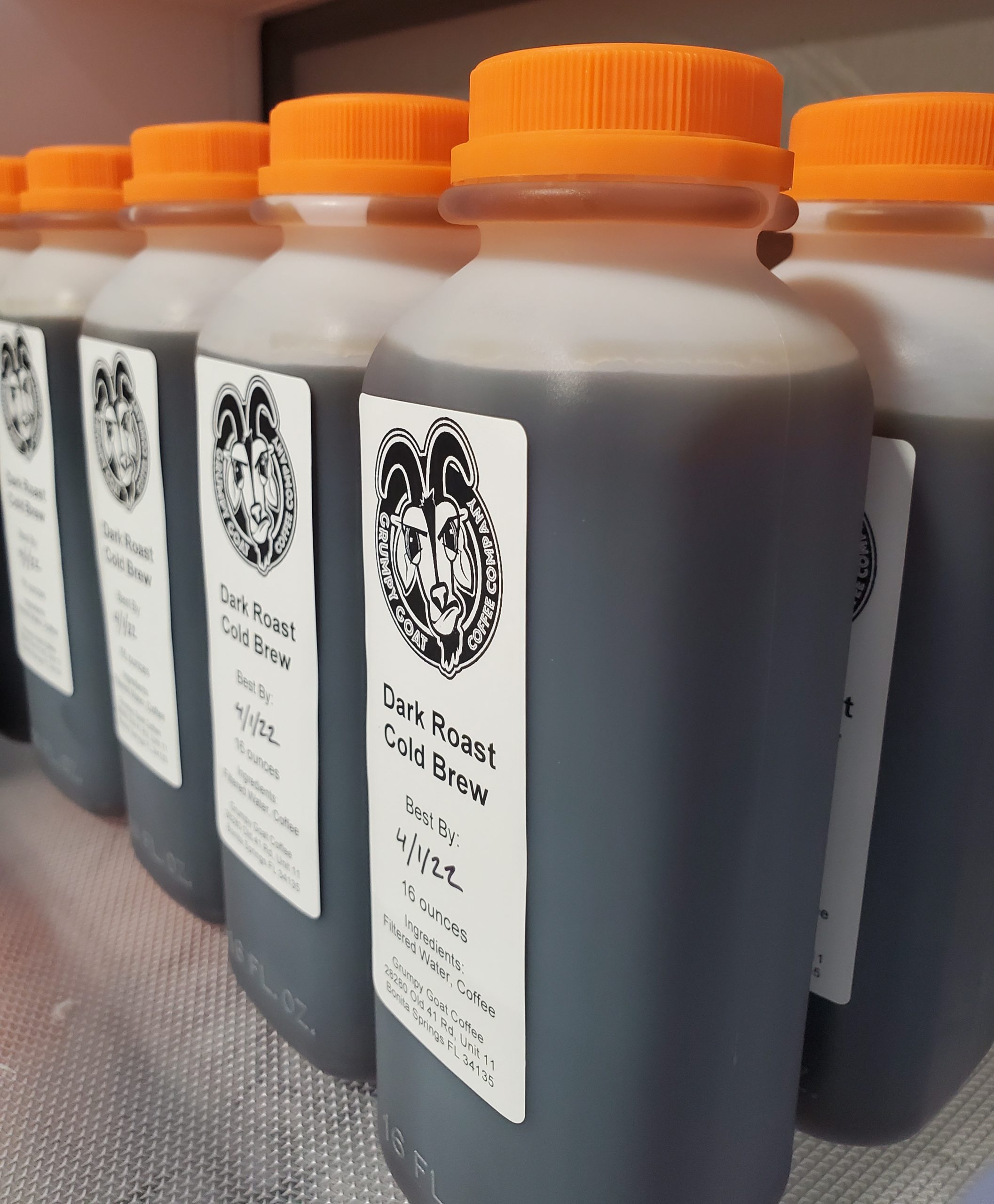
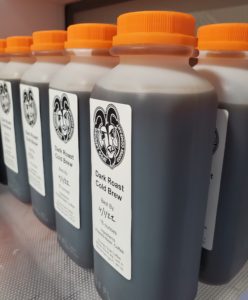
    You may email our roaster to order Grumpy Goat cold brew in 16 ounce bottles, half gallon or full gallon sizes.

    [/fusion_text][/fusion_builder_column][/fusion_builder_row][/fusion_builder_container]
  • Quest for the Perfect Cup of Coffee

    Quest for the Perfect Cup of Coffee

    Quest for the Perfect Cup of Coffee

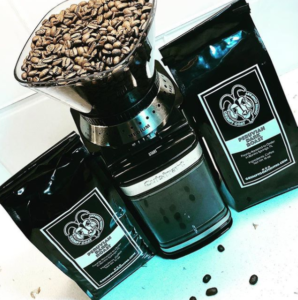
    grumpy goat coffee beansAlthough many people enjoy their daily ritual of drinking coffee how do you know if you are preparing and consuming it correctly?  

    There are several factors that affect the quality and taste of your coffee. The primary ones are bean quality, water quality and equipment.

    Follow this guide to become a more educated coffee consumer.

    Bean Quality

    The perfect cup of coffee starts with great beans and their traceability.

    Major factors that separate good from great beans include the country and region of origin, roast type, grind texture, age and storage.

    Traceability

    Single origin: Coffee beans that comes from one specific region, co-op or farm.

    Fair trade: Fair trade organizations (FTO) create trading partnerships that guarantees items considered “Fair Trade” come from farmers who are paid at least the established minimum price for coffee.

    Organic: USDA organic coffee is verified by a USDA-accredited certifying agent before products can be labeled USDA organic.

    Elevation: Gourmet coffee beans are typically grown at high altitude.

    Roast type

    Light: Beans are light brown in color, light body, with no oily surface. Light roasts typically contain the more fruity, citrusy flavor notes of a flavor profile.

    Medium: Coffee that is typically a medium brown color once roasted. It maintains the fruity or citrus notes of a light roast but starts to take on the heavier notes of the flavor profile. Other names for it include American Roast and Breakfast Roast.

    Dark: Coffee beans that are typically roasted 90-120 seconds longer than a medium roast. This is where the coffee will take on all of the heavier flavor profiles such as chocolate, toffee and cherry. This coffee varies in color from dark brown to black.

    Grind Type & Texture

    The size of the grind impacts the taste of your coffee. For example, if your coffee tastes bitter it may be ground too fine or if it tastes flat it may be ground too coarse. The optimal grind type is specific to your brewing preference:

    French Press: produces coffee by steeping course grounds with hot water through a metal filter that is plunged with the grounds to the bottom of the vessel.

    Auto Drip: uses a grind texture about half way between coarse and fine to extract flavor through the water’s contact with the coffee.

    Keurig®: reusable pods for single serve systems call for grind texture similar to automatic drip.

    Pour Over: involves pouring a thin and steady stream of water slowly over finely ground beans using a filter cone using a swan-neck kettle.

    Espresso: produced when hot water is forced through fine coffee grounds via pressure.

    Age

    If you buy whole coffee beans, grind them as close to the brew time as possible to maximize the freshness. Fresh roasted coffee beans are the main difference to a quality brew. A good rule of thumb is to buy enough to use within one to two weeks.

    Storage

    The greatest enemies of coffee beans are air, moisture, heat and light. Avoid clear canisters which allow light to compromise the coffee. Keep your beans in a dark and cool location. Storing them in a freezer or refrigerator is not necessary. Invest in opaque storage canisters with an airtight seal and store at room temperature.

    Water Quality

    Water quality and temperature are both important to brewing the perfect cup of coffee. Use filtered or bottled water. Avoid the strong odor or tastes from tap water additives such as chlorine. If you are using tap water, let it run a few seconds before filling your coffee pot.  Always use cold water. Avoid distilled or softened water. Use 1-2 tablespoons of ground coffee for every six ounces of water.

    Your brewer should maintain a water temperature between 195 to 205 degrees Fahrenheit. When brewing coffee manually, let the water come to a full boil. Then turn off the heat source. Allow the water to rest a minute before pouring it over the grounds.

    Equipment

    Great coffee can come from any type of equipment from a simple pour over device to an expensive machine. No matter which you use, make sure your grinder and filters are rinsed well after every use. This will avoid build up of grounds which can alter the taste of the coffee.

    Coffee is a very personal experience.  No matter what your favorite bean or roast type, the principles behind brewing the perfect cup remain the same. Understanding the source, quality and age of coffee beans and whether any man-made alteration was made to their flavor are important to know before it goes into your body.  

  • Types of Coffee Grinders

    Types of Coffee Grinders

    Types of Coffee GrindersHome Coffee-Bean image

    If you have plans to brew coffee at home; as opposed to always buying at a local coffee shop, it won’t be long before you find yourself in the market for a grinder.

    While there are hundreds of models to choose from, you need to do your homework before making a decision on which one is best.

    Generally speaking, there are three coffee grinder types:

    1. Blade

    Blade grinders are an inexpensive option, as well as one of the best choices for beginners.

    While a blade grinder is simple to use, the inconsistent particle size can make it a hassle at times.

    There’s nothing wrong with using a blade grinder, as long as you’re willing to experiment until you find the approach that gives you the desired result.

    2. Burr

    Depending on your age, there’s a good chance you’ve been using a burr grinder for quite some time. While these haven’t changed much over the years, they still provide an effective process and quality results.

    Although burr grinders are slow, they do produce consistent results, and that’s what most people desire. Also, there is no chance of burning the coffee, which gives you peace of mind.

    3. Disc and Conical

    If you’re searching for the most precise grinding, this is the way to go. The way it works is simple: the beans fall between two discs, one of which is stationary while the other turns.

    Thanks to the sharp edges of the grooves, it’s easy to achieve a consistent grind.

    While disc and conical grinders are the most expensive, they’re the best option if you’re grinding high-quality coffee and seeking the best results.

    Experiment With All Three Types

    There are people out there who have no problem paying a high price tag for a quality disc and conical grinder. Just the same, there are coffee drinkers who enjoy using a blade or burr grinder.

    By experimenting with all three types, you’ll eventually find the one that’s best for you and your tastes!

  • How to Grind Coffee: A Guide to Properly Grinding Coffee

    How to Grind Coffee: A Guide to Properly Grinding Coffee

    How to Grind Coffee: A Guide to Properly Grinding Coffee

    There are many critical steps to take on your quest to brew the perfect cup of coffee including how to grind coffee.

    While it sounds simple and straightforward, grinding your coffee is easier said than done. Not because this is a difficult task, but because there are key steps you must take along the way.

    Here are five tips to guide you:

    1. Don’t Pre-Grind

    Some people consider this the best way to save time, but it can take a toll on the overall taste and quality of your coffee. Ground coffee gets stale quicker than whole beans, so you never want to grind until you’re ready to brew.

    Yes, it may be an inconvenience at times, but it’s well worth it in the long run.

    2. Measure Your Beans

    Consistency is the name of the game when grinding coffee. It’s important to measure your beans every time, even if you have a “good eye.”

    With a kitchen scale on your counter, you never have to worry about accurately measuring your beans before you brew. You’ll always know exactly what you’re using, thus allowing you to remain consistent.

    3. Grind Consistency

    This comes down to one thing: the way you decide to brew your coffee. Consider the following:

    • Fine consistency: espresso or conical drip coffee makers
    • Medium consistency: flat-bottomed drip coffee makers
    • Coarse consistency: French press or percolators

    4. Choose the Right Grinder

    There is more than one type of grinder, so make sure you consider all your options.

    The two primary methods of grinding are:

    • Blade grinder
    • Burr grinder

    A blade grinder is similar to a blender, with blades at the bottom of the container spinning at a high rate of speed.

    A burr grinder uses two cutting discs to grind coffee beans. The benefit of this type is the ability to adjust the burrs to achieve the desired consistency.

    5. Manual or Automatic

    Although manual grinders are the cheaper of the two options, automatic machines are more convenient and time efficient.

    Experiment with both options to ensure that you’re using the one that’s right for you.

  • 4 Burning Truths About Making Low Acid Coffee

    4 Burning Truths About Making Low Acid Coffee

    [fusion_builder_container hundred_percent=”no” equal_height_columns=”no” menu_anchor=”” hide_on_mobile=”small-visibility,medium-visibility,large-visibility” class=”” id=”” background_color=”” background_image=”” background_position=”center center” background_repeat=”no-repeat” fade=”no” background_parallax=”none” parallax_speed=”0.3″ video_mp4=”” video_webm=”” video_ogv=”” video_url=”” video_aspect_ratio=”16:9″ video_loop=”yes” video_mute=”yes” overlay_color=”” video_preview_image=”” border_color=”” border_style=”solid” padding_top=”” padding_bottom=”” padding_left=”” padding_right=”” type=”legacy”][fusion_builder_row][fusion_builder_column type=”1_1″ layout=”1_1″ background_position=”left top” background_color=”” border_color=”” border_style=”solid” border_position=”all” spacing=”yes” background_image=”” background_repeat=”no-repeat” padding_top=”” padding_right=”” padding_bottom=”” padding_left=”” margin_top=”0px” margin_bottom=”0px” class=”” id=”” animation_type=”” animation_speed=”0.3″ animation_direction=”left” hide_on_mobile=”small-visibility,medium-visibility,large-visibility” center_content=”no” last=”true” min_height=”” hover_type=”none” link=”” border_sizes_top=”” border_sizes_bottom=”” border_sizes_left=”” border_sizes_right=”” first=”true” type=”1_1″][fusion_text columns=”” column_min_width=”” column_spacing=”” rule_style=”default” rule_size=”” rule_color=”” content_alignment_medium=”” content_alignment_small=”” content_alignment=”” hide_on_mobile=”small-visibility,medium-visibility,large-visibility” sticky_display=”normal,sticky” class=”” id=”” font_size=”” line_height=”” letter_spacing=”” text_color=”” animation_type=”” animation_direction=”left” animation_speed=”0.3″ animation_offset=””]

    4 Burning Truths About Making Low Acid Coffee

    The facts about low acid coffee can be elusive. Some people simply abandon drinking their favorite coffee because they are trying to reduce acidity in their diet, avoid heartburn, or have gastritis or other gastrointestinal or gastroesophageal condition (GERD) such as acid reflux.

    Coffee flavor is heavily influenced by acids naturally occurring in the beans. So how can you get the benefits of a pleasurable coffee experience, including caffeine, and also minimize your body’s exposure to the acids that naturally exist in the beans?

    There are four main factors that influence coffee acidity:

    1. coffee bean type
    2. the roast type of the coffee bean
    3. the process followed to brew the coffee
    4. water quality

    The good news for coffee lovers is that you can control these factors which will lead you to a more stomach-friendly, less acidic coffee experience.

    Bean Type Affect on Coffee Acidity

    Coffee beans are grown around the world. Similar to wine, the terra, or earth characteristics of the land and climate in which the plants grow, have an impact on the quality and flavor. Some bean types are the better low acid coffee choices. For coffee drinkers trying to minimize exposure to acidity due to gastric irritation or other reasons, there are two categories of options to be aware of – treated and inadvertent.

    Treated coffee is just as it sounds – the beans are treated by way of a mechanical process in an attempt to alter the bean acidity. Alternatively, some coffee beans are naturally low in acid and these bean types fall into the inadvertent category.

    Examples of countries from which low acid coffee beans grow are Brazil, Sumatra and Bolivia. Although the origin of the bean is not the only main factor in creating non-acidic coffee, it is a good place to start.

    Roast Type Influence on Acidity of Coffee

    In addition to bean type, another main factor to enjoy low acidic coffee is the roast type. The difference between light, medium, and dark roast coffee is just a matter of how much time the beans are in the roaster. The actual coffee acid content and pH level will be very similar regardless (assuming identical bean type across the roast types).

    However, industry research indicates that there is a chemical called N-methylpyridium which develops during roasting and mitigates the ability of cells in the stomach to release hydrochloric acid. Therefore, opting for a dark roast coffee, combined with selecting a lower acidic bean type is a good option for being able to enjoy coffee and mitigate aggravating an acid sensitivity.

    Cold Brew Process Yields Low Acid Coffee

    Both bean type and roast type can play a major role in the acidity of the coffee but how you make your coffee also makes a difference. The least acidic coffee brewing method is to make cold brew coffee. The process to make it significantly reduces the volume of organic compounds such as caffeine and acids, compared to hot-water brewing.

    A tradeoff of drinking cold brew coffee in lieu of hot coffee that takes only minutes to brew is it takes around 12 to 24 hours to make. But the result is compelling. Industry research has determined that slow-steeped cold brew coffee has 70 percent lower acid levels without sacrificing taste.

    Understand the difference between iced coffee and cold brew. Iced coffee is made by simply cooling down hot brewed coffee and is not a process that will result in low acid coffee. You may email our roaster to order Grumpy Goat cold brew in 16 ounce bottles, half gallon or full gallon sizes.

    Testing Your Water for Affecting Coffee Acidity

    Water is the main ingredient in your coffee. If you use tap water to brew your coffee, be aware that the pH of that water may be affecting the acidity of your coffee. Many city water utility systems inject chemicals into their system to help keep water impurities at a minimum. These treatments can influence the acidity of your water.

    Home water filtration systems are one option to avoid this challenge. Additionally, a digital pH meter can be used to determine the alkalinity or acidity of the water you are using to brew your coffee. Sometimes we pay so much attention to coffee beans, roasting and brewing that we overlook the importance of the water – an underestimated contributor to the overall taste of your coffee.

    The Burning Truth About Enjoying Low Acid Coffee

    Researching the facts about non-acidic coffee can be frustrating given the contradictory information found on the Internet. Focus your attention on the four main factors that determine low acid coffee – bean type, roast type, brewing process, and water. By taking control of these four factors you can get back to enjoying the benefits of coffee.

    [/fusion_text][/fusion_builder_column][/fusion_builder_row][/fusion_builder_container]

  • What Good Coffee Should Taste Like

    What Good Coffee Should Taste Like

    [fusion_builder_container hundred_percent=”no” equal_height_columns=”no” menu_anchor=”” hide_on_mobile=”small-visibility,medium-visibility,large-visibility” class=”” id=”” background_color=”” background_image=”” background_position=”center center” background_repeat=”no-repeat” fade=”no” background_parallax=”none” parallax_speed=”0.3″ video_mp4=”” video_webm=”” video_ogv=”” video_url=”” video_aspect_ratio=”16:9″ video_loop=”yes” video_mute=”yes” overlay_color=”” video_preview_image=”” border_size=”” border_color=”” border_style=”solid” padding_top=”” padding_bottom=”” padding_left=”” padding_right=””][fusion_builder_row][fusion_builder_column type=”1_1″ layout=”1_1″ background_position=”left top” background_color=”” border_size=”” border_color=”” border_style=”solid” border_position=”all” spacing=”yes” background_image=”” background_repeat=”no-repeat” padding_top=”” padding_right=”” padding_bottom=”” padding_left=”” margin_top=”0px” margin_bottom=”0px” class=”” id=”” animation_type=”” animation_speed=”0.3″ animation_direction=”left” hide_on_mobile=”small-visibility,medium-visibility,large-visibility” center_content=”no” last=”no” min_height=”” hover_type=”none” link=””][fusion_text columns=”” column_min_width=”” column_spacing=”” rule_style=”default” rule_size=”” rule_color=”” class=”” id=””]

    Grumpy Goat Coffee Sumatra Blog

    What Good Coffee Should Taste Like

    If you’ve ever drank a bad cup of coffee, you know one thing to be true: it’s something you never want to experience again.

    It doesn’t matter if you’re brewing coffee at home or ordering a cup at your favorite shop, nothing changes the fact that you have high expectations.

    There are many factors that affect the overall taste and quality of coffee. These include but are not limited to:

    • Kind of beans
    • Quality of the beans
    • How long the beans were roasted
    • The process used to brew the coffee

    This brings us to an important question: what should good coffee taste like?

    While there is no right or wrong answer to this question, as everyone has their own personal tastes, here are some things to consider:

    • Aroma. This is the scent of the coffee, and it’s often used in evaluating flavor. While the scent alone does not determine the taste of the coffee, it definitely comes into play. There are many types of aroma, ranging from earthy to fruity and many others in between.
    • Flavor. While you may only have an interest in one flavor, it’s important to note that there are hundreds to consider. For example: mild, dark, and bold are long standing favorites.
    • Acidity. Do you know that dry feeling in your mouth after taking a sip of coffee? This is directly related to the amount of acidity. Acidity comes down to three things: the brewing method, the type of roaster, and the degree to which the coffee is roasted. While some see acidity as a bad thing, it can go a long way in providing the “punch” you crave.
    • Body. Coffee enthusiasts often talk about the body. This is nothing more than the feel of the beverage when it’s in your mouth. For example, some brews are heavier or have more texture than others.
    • Aftertaste. There’s nothing worse than coffee that initially tastes good, just to leave a bad aftertaste in your mouth. Even if you enjoy your first experience – the second the coffee hits your mouth – a bad aftertaste can ruin it.

    These are some of the many details that can help you make a personal determination as to what good coffee should taste like.

    Once you have a clear idea of what best suits your taste buds, you’ll never again have to worry about what to drink. You’ll know exactly what type of coffee will give you the taste you’re searching for.

    [/fusion_text][/fusion_builder_column][/fusion_builder_row][/fusion_builder_container]
  • 6 Steps to Make French Press Coffee

    6 Steps to Make French Press Coffee

    [fusion_builder_container hundred_percent=”no” hundred_percent_height=”no” hundred_percent_height_scroll=”no” hundred_percent_height_center_content=”yes” equal_height_columns=”no” menu_anchor=”” hide_on_mobile=”small-visibility,medium-visibility,large-visibility” class=”” id=”” background_color=”” background_image=”https://1dc78080-70bc-4cfb-84ce-e475e5a9d8b5.express.conves.io/wp-content/uploads/2018/05/Untitled-design-1.jpg” background_position=”center center” background_repeat=”no-repeat” fade=”no” background_parallax=”none” enable_mobile=”no” parallax_speed=”0.3″ video_mp4=”” video_webm=”” video_ogv=”” video_url=”” video_aspect_ratio=”16:9″ video_loop=”yes” video_mute=”yes” video_preview_image=”” border_size=”” border_color=”” border_style=”solid” margin_top=”” margin_bottom=”” padding_top=”” padding_right=”” padding_bottom=”” padding_left=””][fusion_builder_row][fusion_builder_column type=”1_1″ layout=”1_1″ spacing=”” center_content=”no” link=”” target=”_self” min_height=”” hide_on_mobile=”small-visibility,medium-visibility,large-visibility” class=”” id=”” background_color=”” background_image=”” background_position=”left top” undefined=”” background_repeat=”no-repeat” hover_type=”none” border_size=”0″ border_color=”” border_style=”solid” border_position=”all” padding_top=”” padding_right=”” padding_bottom=”” padding_left=”” margin_top=”200px” margin_bottom=”200px” animation_type=”” animation_direction=”left” animation_speed=”0.3″ animation_offset=”” last=”no”][fusion_text columns=”” column_min_width=”” column_spacing=”” rule_style=”default” rule_size=”” rule_color=”” class=”” id=””]

    6 Steps to Make French Press Coffee

    [/fusion_text][/fusion_builder_column][/fusion_builder_row][/fusion_builder_container][fusion_builder_container hundred_percent=”no” equal_height_columns=”no” menu_anchor=”” hide_on_mobile=”small-visibility,medium-visibility,large-visibility” class=”” id=”” background_color=”” background_image=”” background_position=”center center” background_repeat=”no-repeat” fade=”no” background_parallax=”none” parallax_speed=”0.3″ video_mp4=”” video_webm=”” video_ogv=”” video_url=”” video_aspect_ratio=”16:9″ video_loop=”yes” video_mute=”yes” overlay_color=”” video_preview_image=”” border_size=”” border_color=”” border_style=”solid” padding_top=”” padding_bottom=”” padding_left=”” padding_right=””][fusion_builder_row][fusion_builder_column type=”1_1″ layout=”1_1″ background_position=”left top” background_color=”” border_size=”” border_color=”” border_style=”solid” border_position=”all” spacing=”yes” background_image=”” background_repeat=”no-repeat” padding_top=”” padding_right=”” padding_bottom=”” padding_left=”” margin_top=”0px” margin_bottom=”0px” class=”” id=”” animation_type=”” animation_speed=”0.3″ animation_direction=”left” hide_on_mobile=”small-visibility,medium-visibility,large-visibility” center_content=”no” last=”no” min_height=”” hover_type=”none” link=””][fusion_text columns=”” column_min_width=”” column_spacing=”” rule_style=”default” rule_size=”” rule_color=”” class=”” id=””]While there are many coffee-brewing methods, the French press is one of the best. Not only does it turn out a great product, but it’s simple to get started (even if you’re a beginner).

    Getting started is as simple as taking these six steps:

    1. Use a Coarse Grind

    With a French press, grinds are immersed in water for a full four minutes. When compared to other brewing methods, there is more contact between the grounds and the water.

    Since the brew time is longer, using a coarse grind with a French press is a must.

    2. Weigh Your Water and Coffee

    Yes, it’s a bit more work than you’ve come to expect, but it’s well worth it in the end.

    The best way to measure your water and coffee is to weigh it. Since coffee differs in density, a simple volume measurement will not be as accurate as taking the exact weight.

    For the best brew, the coffee to water ratio should be somewhere in the 1:16 range.

    3. Wet the Grinds

    Your water is hot and you’re ready to get started. However, before you fill up your French press, make sure you first wet the grinds and let them stand between 30 and 60 seconds.

    After you give the coffee enough time to bloom, you’re ready to continue with the process.

    4. Wait a Minute and Stir

    When you first use a French press you’ll notice that many of the grounds will rise to the top, thus not being immersed in the water.

    If you notice this happening, wait for a minute and then stir for a few seconds. This is all it takes to direct the grounds into the water once again.

    5. Brew for 4 Minutes (Not Shorter, Not Longer)

    It will take some getting used to, but it’s important to brew for exactly four minutes (give or take a few seconds).

    The time starts when your water hits the coffee and ends when your timer hits the four-minute mark.

    6. Plunge, Pour, and Enjoy

    After four minutes, press down the plunger, pour yourself a cup, and enjoy.

    This is the most exciting part of the process, so make sure you really enjoy that first sip.

    It’s That Easy!

    There are people out there who will tell you that using a French press is too much work, but once you get used to it everything will fall into place.

    All you have to do is follow these six steps every time![/fusion_text][/fusion_builder_column][/fusion_builder_row][/fusion_builder_container]

  • 5 Best Used Coffee Ground Hacks

    5 Best Used Coffee Ground Hacks

    [fusion_builder_container hundred_percent=”no” hundred_percent_height=”no” hundred_percent_height_scroll=”no” hundred_percent_height_center_content=”yes” equal_height_columns=”yes” menu_anchor=”” hide_on_mobile=”small-visibility,medium-visibility,large-visibility” class=”” id=”” background_color=”” background_image=”https://1dc78080-70bc-4cfb-84ce-e475e5a9d8b5.express.conves.io/wp-content/uploads/2017/11/Does-Coffee-Go-Bad_.jpg” background_position=”center center” background_repeat=”no-repeat” fade=”no” background_parallax=”none” enable_mobile=”no” parallax_speed=”0.3″ video_mp4=”” video_webm=”” video_ogv=”” video_url=”” video_aspect_ratio=”16:9″ video_loop=”yes” video_mute=”yes” video_preview_image=”” border_color=”” border_style=”solid” margin_top=”” margin_bottom=”” padding_top=”” padding_right=”” padding_bottom=”” padding_left=”” type=”legacy” flex_align_items=”stretch”][fusion_builder_row][fusion_builder_column type=”1_1″ layout=”1_1″ spacing=”” center_content=”no” link=”” target=”_self” min_height=”” hide_on_mobile=”small-visibility,medium-visibility,large-visibility” class=”” id=”” background_color=”” background_image=”” background_position=”left top” undefined=”” background_repeat=”no-repeat” hover_type=”none” border_color=”” border_style=”solid” border_position=”all” padding_top=”” padding_right=”” padding_bottom=”” padding_left=”” margin_top=”200px” margin_bottom=”200px” animation_type=”” animation_direction=”left” animation_speed=”0.3″ animation_offset=”” last=”true” border_sizes_top=”0″ border_sizes_bottom=”0″ border_sizes_left=”0″ border_sizes_right=”0″ type=”1_1″ first=”true”][fusion_text columns=”” column_min_width=”” column_spacing=”” rule_style=”default” rule_size=”” rule_color=”” class=”” id=””]

    5 BEST USED COFFEE GROUND HACKS

    [/fusion_text][/fusion_builder_column][/fusion_builder_row][/fusion_builder_container][fusion_builder_container hundred_percent=”no” hundred_percent_height=”no” hundred_percent_height_scroll=”no” hundred_percent_height_center_content=”yes” equal_height_columns=”yes” menu_anchor=”” hide_on_mobile=”small-visibility,medium-visibility,large-visibility” class=”” id=”” background_color=”” background_image=”” background_position=”center center” background_repeat=”no-repeat” fade=”no” background_parallax=”none” enable_mobile=”no” parallax_speed=”0.3″ video_mp4=”” video_webm=”” video_ogv=”” video_url=”” video_aspect_ratio=”16:9″ video_loop=”yes” video_mute=”yes” video_preview_image=”” border_color=”” border_style=”solid” margin_top=”50px” margin_bottom=”” padding_top=”” padding_right=”” padding_bottom=”” padding_left=”” type=”legacy” flex_align_items=”stretch”][fusion_builder_row][fusion_builder_column type=”1_1″ layout=”1_1″ spacing=”” center_content=”no” link=”” target=”_self” min_height=”” hide_on_mobile=”small-visibility,medium-visibility,large-visibility” class=”” id=”” background_color=”” background_image=”” background_position=”left top” undefined=”” background_repeat=”no-repeat” hover_type=”none” border_color=”” border_style=”solid” border_position=”all” padding_top=”” padding_right=”” padding_bottom=”” padding_left=”” margin_top=”” margin_bottom=”” animation_type=”” animation_direction=”left” animation_speed=”0.3″ animation_offset=”” last=”true” border_sizes_top=”0″ border_sizes_bottom=”0″ border_sizes_left=”0″ border_sizes_right=”0″ type=”1_1″ first=”true”][fusion_text columns=”” column_min_width=”” column_spacing=”” rule_style=”default” rule_size=”” rule_color=”” class=”” id=””]

    Did you know that on an average day, Americans consume approximately 400 million cups of coffee! Whoa, bananas! That’s about $4 billion dollars worth of caffeine every year. That’s a lot of coffee, but even more coffee grounds. So, what do we do with all those leftovers? Wouldn’t it be nice if coffee grounds had other purposes?

    Well, you’re in luck!

    As avid coffee lovers here at Grumpy Goat, we got news for you! We’ve got 5 great hacks to help you start utilizing your used coffee grounds to their fullest advantage.[/fusion_text][/fusion_builder_column][/fusion_builder_row][/fusion_builder_container][fusion_builder_container hundred_percent=”no” hundred_percent_height=”no” hundred_percent_height_scroll=”no” hundred_percent_height_center_content=”yes” equal_height_columns=”no” menu_anchor=”” hide_on_mobile=”small-visibility,medium-visibility,large-visibility” class=”” id=”” background_color=”” background_image=”” background_position=”center center” background_repeat=”no-repeat” fade=”no” background_parallax=”none” enable_mobile=”no” parallax_speed=”0.3″ video_mp4=”” video_webm=”” video_ogv=”” video_url=”” video_aspect_ratio=”16:9″ video_loop=”yes” video_mute=”yes” video_preview_image=”” border_color=”” border_style=”solid” margin_top=”” margin_bottom=”” padding_top=”” padding_right=”” padding_bottom=”50px” padding_left=”” type=”legacy”][fusion_builder_row][fusion_builder_column type=”1_1″ layout=”1_1″ spacing=”” center_content=”no” link=”” target=”_self” min_height=”” hide_on_mobile=”small-visibility,medium-visibility,large-visibility” class=”” id=”” background_color=”” background_image=”” background_position=”left top” background_repeat=”no-repeat” hover_type=”none” border_color=”” border_style=”solid” border_position=”all” animation_type=”” animation_direction=”left” animation_speed=”0.3″ animation_offset=”” last=”true” border_sizes_top=”0″ border_sizes_bottom=”0″ border_sizes_left=”0″ border_sizes_right=”0″ type=”1_1″ first=”true”][fusion_text columns=”” column_min_width=”” column_spacing=”” rule_style=”default” rule_size=”” rule_color=”” class=”” id=””]

    1. Odors

    You might be thinking, “Ew! Wet, mushy coffee grounds aren’t very flattering.”

    Before they can be effective deodorizers, the coffee grounds need to be dried. This can be done by spreading them out on a plate, pan, or cookie sheet—whatever is most convenient.

    Place them in the fridge, freezer, or outside during the daytime for some natural sunlight exposure. Once the coffee grounds have been dried, they are ready for use!

    Roll them up into a ball of fabric to make your very own DIY deodorizer that smells like a yummy cup of your favorite coffee.

    [/fusion_text][/fusion_builder_column][/fusion_builder_row][/fusion_builder_container][fusion_builder_container hundred_percent=”yes” hundred_percent_height=”no” hundred_percent_height_scroll=”no” hundred_percent_height_center_content=”yes” equal_height_columns=”no” menu_anchor=”” hide_on_mobile=”small-visibility,medium-visibility,large-visibility” class=”” id=”” background_color=”#363636″ background_image=”” background_position=”center center” background_repeat=”no-repeat” fade=”no” background_parallax=”none” enable_mobile=”no” parallax_speed=”0.3″ video_mp4=”” video_webm=”” video_ogv=”” video_url=”” video_aspect_ratio=”16:9″ video_loop=”yes” video_mute=”yes” video_preview_image=”” border_color=”” border_style=”solid” margin_top=”” margin_bottom=”” padding_top=”50px” padding_right=”” padding_bottom=”50px” padding_left=”” type=”legacy”][fusion_builder_row][fusion_builder_column type=”1_6″ layout=”1_6″ spacing=”” center_content=”no” link=”” target=”_self” min_height=”” hide_on_mobile=”small-visibility,medium-visibility,large-visibility” class=”” id=”” background_color=”” background_image=”” background_position=”left top” undefined=”” background_repeat=”no-repeat” hover_type=”none” border_color=”” border_style=”solid” border_position=”all” padding_top=”” padding_right=”” padding_bottom=”” padding_left=”” margin_top=”20px” margin_bottom=”” animation_type=”” animation_direction=”left” animation_speed=”0.3″ animation_offset=”” last=”false” border_sizes_top=”0″ border_sizes_bottom=”0″ border_sizes_left=”0″ border_sizes_right=”0″ type=”1_6″ first=”true” spacing_right=””][fusion_text columns=”” column_min_width=”” column_spacing=”” rule_style=”default” rule_size=”” rule_color=”” class=”” id=””]

    gray-quote-left-image

    [/fusion_text][/fusion_builder_column][fusion_builder_column type=”2_3″ layout=”2_3″ spacing=”” center_content=”no” link=”” target=”_self” min_height=”” hide_on_mobile=”small-visibility,medium-visibility,large-visibility” class=”” id=”” background_color=”” background_image=”” background_position=”left top” undefined=”” background_repeat=”no-repeat” hover_type=”none” border_color=”” border_style=”solid” border_position=”all” padding_top=”” padding_right=”” padding_bottom=”” padding_left=”” margin_top=”20px” margin_bottom=”” animation_type=”” animation_direction=”left” animation_speed=”0.3″ animation_offset=”” last=”false” border_sizes_top=”0″ border_sizes_bottom=”0″ border_sizes_left=”0″ border_sizes_right=”0″ type=”2_3″ first=”false” spacing_right=””][fusion_text columns=”” column_min_width=”” column_spacing=”” rule_style=”default” rule_size=”” rule_color=”” class=”” id=””]

    No coffee can be good in the mouth that does not first send a sweet offering of odor to the nostrils.

    -Henry Ward Beecher

    [/fusion_text][/fusion_builder_column][fusion_builder_column type=”1_6″ layout=”1_6″ spacing=”” center_content=”no” link=”” target=”_self” min_height=”” hide_on_mobile=”small-visibility,medium-visibility,large-visibility” class=”” id=”” background_color=”” background_image=”” background_position=”left top” undefined=”” background_repeat=”no-repeat” hover_type=”none” border_color=”” border_style=”solid” border_position=”all” padding_top=”” padding_right=”” padding_bottom=”” padding_left=”” margin_top=”20px” margin_bottom=”” animation_type=”” animation_direction=”left” animation_speed=”0.3″ animation_offset=”” last=”true” border_sizes_top=”0″ border_sizes_bottom=”0″ border_sizes_left=”0″ border_sizes_right=”0″ type=”1_6″ first=”false”][fusion_text columns=”” column_min_width=”” column_spacing=”” rule_style=”default” rule_size=”” rule_color=”” class=”” id=””]

    gray-quote-right-image

    [/fusion_text][/fusion_builder_column][/fusion_builder_row][/fusion_builder_container][fusion_builder_container hundred_percent=”no” hundred_percent_height=”no” hundred_percent_height_scroll=”no” hundred_percent_height_center_content=”yes” equal_height_columns=”no” menu_anchor=”” hide_on_mobile=”small-visibility,medium-visibility,large-visibility” class=”” id=”” background_color=”” background_image=”” background_position=”center center” background_repeat=”no-repeat” fade=”no” background_parallax=”none” enable_mobile=”no” parallax_speed=”0.3″ video_mp4=”” video_webm=”” video_ogv=”” video_url=”” video_aspect_ratio=”16:9″ video_loop=”yes” video_mute=”yes” video_preview_image=”” border_color=”” border_style=”solid” margin_top=”” margin_bottom=”” padding_top=”50px” padding_right=”” padding_bottom=”” padding_left=”” type=”legacy”][fusion_builder_row][fusion_builder_column type=”1_1″ layout=”1_1″ spacing=”” center_content=”no” link=”” target=”_self” min_height=”” hide_on_mobile=”small-visibility,medium-visibility,large-visibility” class=”” id=”” background_color=”” background_image=”” background_position=”left top” background_repeat=”no-repeat” hover_type=”none” border_color=”” border_style=”solid” border_position=”all” animation_type=”” animation_direction=”left” animation_speed=”0.3″ animation_offset=”” last=”true” border_sizes_top=”0″ border_sizes_bottom=”0″ border_sizes_left=”0″ border_sizes_right=”0″ type=”1_1″ first=”true”][fusion_text columns=”” column_min_width=”” column_spacing=”” rule_style=”default” rule_size=”” rule_color=”” class=”” id=””]

    2. Hygiene

    Coffee is rich in antioxidants, which works well on the outside of the body just as much as it does on the inside.

    Putting coffee grounds on your face will awaken your skin in the morning, so you have a luminous glow all day—perfect for looking alert for a job interview or first date. The small rough pellets also serve as a natural exfoliant which gets rid of dead skin cells.

    [/fusion_text][/fusion_builder_column][/fusion_builder_row][/fusion_builder_container][fusion_builder_container hundred_percent=”no” hundred_percent_height=”no” hundred_percent_height_scroll=”no” hundred_percent_height_center_content=”yes” equal_height_columns=”no” menu_anchor=”” hide_on_mobile=”small-visibility,medium-visibility,large-visibility” class=”” id=”” background_color=”” background_image=”” background_position=”center center” background_repeat=”no-repeat” fade=”no” background_parallax=”none” enable_mobile=”no” parallax_speed=”0.3″ video_mp4=”” video_webm=”” video_ogv=”” video_url=”” video_aspect_ratio=”16:9″ video_loop=”yes” video_mute=”yes” video_preview_image=”” border_color=”” border_style=”solid” margin_top=”” margin_bottom=”” padding_top=”” padding_right=”” padding_bottom=”” padding_left=”” type=”legacy”][fusion_builder_row][fusion_builder_column type=”1_1″ layout=”1_1″ spacing=”” center_content=”no” link=”” target=”_self” min_height=”” hide_on_mobile=”small-visibility,medium-visibility,large-visibility” class=”” id=”” background_color=”” background_image=”” background_position=”left top” background_repeat=”no-repeat” hover_type=”none” border_color=”” border_style=”solid” border_position=”all” animation_type=”” animation_direction=”left” animation_speed=”0.3″ animation_offset=”” last=”true” border_sizes_top=”0″ border_sizes_bottom=”0″ border_sizes_left=”0″ border_sizes_right=”0″ type=”1_1″ first=”true”][fusion_text columns=”” column_min_width=”” column_spacing=”” rule_style=”default” rule_size=”” rule_color=”” class=”” id=””]

    3. Wood

    Coffee grounds operate as a natural stain for wood. You’ll need a storable container, preferably glass, and with a lid. Mason jars are great options for easy storing. Mix together about a half a cup of coffee grounds with distilled vinegar. Place the mixture into a storable glass container, and let the mixture sit overnight. Presto! You’re ready to stain.

    You can choose to strain the coffee grounds out of the container, though it’s not necessary. To apply you can use rags or a steel wool pad. If you’re trying to cover a smaller area, q-tips are ideal for precise spots or scratches.

    The best part about this hack is that you can be creative. If you don’t like the shade you’ve created, add water to dilute the solution to a lighter shade or mix in more coffee grounds for a darker shade. Just remember to let the solution sit so the added grounds have time to truly soak in the vinegar. Usually, it’ll take a few coats to get a nice, deep coffee shade; however, coats are unlimited, so stain away!

    This natural stain will prevent you from having to endure the powerful stench of chemical-based wood stains. You’ll be keeping your house and family safe from harsh chemicals. [/fusion_text][/fusion_builder_column][/fusion_builder_row][/fusion_builder_container][fusion_builder_container hundred_percent=”no” hundred_percent_height=”no” hundred_percent_height_scroll=”no” hundred_percent_height_center_content=”yes” equal_height_columns=”no” menu_anchor=”” hide_on_mobile=”small-visibility,medium-visibility,large-visibility” class=”” id=”” background_color=”” background_image=”” background_position=”center center” background_repeat=”no-repeat” fade=”no” background_parallax=”none” enable_mobile=”no” parallax_speed=”0.3″ video_mp4=”” video_webm=”” video_ogv=”” video_url=”” video_aspect_ratio=”16:9″ video_loop=”yes” video_mute=”yes” video_preview_image=”” border_color=”” border_style=”solid” margin_top=”” margin_bottom=”” padding_top=”” padding_right=”” padding_bottom=”” padding_left=”” type=”legacy”][fusion_builder_row][fusion_builder_column type=”1_1″ layout=”1_1″ spacing=”” center_content=”no” link=”” target=”_self” min_height=”” hide_on_mobile=”small-visibility,medium-visibility,large-visibility” class=”” id=”” background_color=”” background_image=”” background_position=”left top” background_repeat=”no-repeat” hover_type=”none” border_color=”” border_style=”solid” border_position=”all” animation_type=”” animation_direction=”left” animation_speed=”0.3″ animation_offset=”” last=”true” border_sizes_top=”0″ border_sizes_bottom=”0″ border_sizes_left=”0″ border_sizes_right=”0″ type=”1_1″ first=”true”][fusion_text columns=”” column_min_width=”” column_spacing=”” rule_style=”default” rule_size=”” rule_color=”” content_alignment_medium=”” content_alignment_small=”” content_alignment=”” hide_on_mobile=”small-visibility,medium-visibility,large-visibility” sticky_display=”normal,sticky” class=”” id=”” font_size=”” line_height=”” letter_spacing=”” text_color=”” animation_type=”” animation_direction=”left” animation_speed=”0.3″ animation_offset=””]

    4. Pets

    Fleas are a problem throughout Southwest Florida. Beyond carrying disease, they are also annoying, hard-to-see creatures that seem impossible to get rid of. Ironically, flea poop, also known as flea dirt, are little dark specs you’ll find on a pet with fleas and those specs happen to look like coffee grounds.

    Store-bought flea gels, pills, sprays, and shampoos can be riddled with unfamiliar, harsh chemicals. Some flea tablets have caused significant side effects in small dogs like vomiting, depression, and even seizures. Reading labels for any kind of medication or prescription [dosage in grams, time, and whether to take with a full meal] is crucial for your pet’s safety.

    A natural alternative for flea repellent is coffee grounds. Fleas and other pests do not enjoy the aroma of coffee like most humans do.  Bathe your pet with their normal shampoo. Once, you’ve bathed your pet, gently rub coffee grounds into their coat. Then, thoroughly rinse the coffee grounds off your fur baby. Dry your pet as usual taking care to groom out any remaining coffee grounds.

    Your pets should not be allowed to lick the coffee grounds since caffeine is toxic to them.

    Keep in mind that coffee grounds may be a less effective solution for flea control compared to a prescription product.  Consider reaching out to your local veterinarian about alternative options. Weigh the pros and cons of these options and make the best choice for you and your fur baby.

    [/fusion_text][/fusion_builder_column][/fusion_builder_row][/fusion_builder_container][fusion_builder_container hundred_percent=”no” hundred_percent_height=”no” hundred_percent_height_scroll=”no” hundred_percent_height_center_content=”yes” equal_height_columns=”no” menu_anchor=”” hide_on_mobile=”small-visibility,medium-visibility,large-visibility” class=”” id=”” background_color=”” background_image=”” background_position=”center center” background_repeat=”no-repeat” fade=”no” background_parallax=”none” enable_mobile=”no” parallax_speed=”0.3″ video_mp4=”” video_webm=”” video_ogv=”” video_url=”” video_aspect_ratio=”16:9″ video_loop=”yes” video_mute=”yes” video_preview_image=”” border_color=”” border_style=”solid” margin_top=”” margin_bottom=”” padding_top=”” padding_right=”” padding_bottom=”” padding_left=”” type=”legacy”][fusion_builder_row][fusion_builder_column type=”1_1″ layout=”1_1″ spacing=”” center_content=”no” link=”” target=”_self” min_height=”” hide_on_mobile=”small-visibility,medium-visibility,large-visibility” class=”” id=”” background_color=”” background_image=”” background_position=”left top” background_repeat=”no-repeat” hover_type=”none” border_color=”” border_style=”solid” border_position=”all” animation_type=”” animation_direction=”left” animation_speed=”0.3″ animation_offset=”” last=”true” border_sizes_top=”0″ border_sizes_bottom=”0″ border_sizes_left=”0″ border_sizes_right=”0″ type=”1_1″ first=”true”][fusion_text columns=”” column_min_width=”” column_spacing=”” rule_style=”default” rule_size=”” rule_color=”” class=”” id=””]

    5. Landscape

    Your leftover coffee grounds are food sources for your plants! Use the grounds as a natural fertilizer or compost. This remedy is sure to keep your luscious garden on a full tummy and improve the likelihood of your flowers blooming beautifully this spring.

    The average pH acidity of coffee grounds is around 6.5 which falls near the neutral line on the pH scale. Depending on the plant, coffee grounds serve as a rich feed that produces the right amount of nutrients for the growth and nutrition of your flower beds.

    Grumpy Goat wants you to enjoy your gardening experience this spring. Why not become the next coffee ground guru with our Grumpy Goat roasts! Not only will you stray away from icky chemicals, you’ll be saving mad money. Come along, let’s get gardening![/fusion_text][/fusion_builder_column][/fusion_builder_row][/fusion_builder_container]

  • Dissolving the Myths of Decaf Coffee

    Dissolving the Myths of Decaf Coffee

    [fusion_builder_container hundred_percent=”no” hundred_percent_height=”no” hundred_percent_height_scroll=”no” hundred_percent_height_center_content=”yes” equal_height_columns=”no” menu_anchor=”” hide_on_mobile=”small-visibility,medium-visibility,large-visibility” class=”” id=”” background_color=”” background_image=”https://1dc78080-70bc-4cfb-84ce-e475e5a9d8b5.express.conves.io/wp-content/uploads/2018/01/Grumpy-Goat-Dec-Blog-1.png” background_position=”center center” background_repeat=”no-repeat” fade=”no” background_parallax=”none” enable_mobile=”no” parallax_speed=”0.3″ video_mp4=”” video_webm=”” video_ogv=”” video_url=”” video_aspect_ratio=”16:9″ video_loop=”yes” video_mute=”yes” video_preview_image=”” border_size=”” border_color=”” border_style=”solid” margin_top=”” margin_bottom=”” padding_top=”” padding_right=”” padding_bottom=”” padding_left=””][fusion_builder_row][fusion_builder_column type=”1_1″ layout=”1_1″ spacing=”” center_content=”no” link=”” target=”_self” min_height=”” hide_on_mobile=”small-visibility,medium-visibility,large-visibility” class=”” id=”” background_color=”” background_image=”” background_position=”left top” undefined=”” background_repeat=”no-repeat” hover_type=”none” border_size=”0″ border_color=”” border_style=”solid” border_position=”all” padding_top=”” padding_right=”” padding_bottom=”” padding_left=”” margin_top=”200px” margin_bottom=”200px” animation_type=”” animation_direction=”left” animation_speed=”0.3″ animation_offset=”” last=”no”][fusion_text columns=”” column_min_width=”” column_spacing=”” rule_style=”default” rule_size=”” rule_color=”” class=”” id=””]

    Dissolving the Myths of Decaf Coffee

    [/fusion_text][/fusion_builder_column][/fusion_builder_row][/fusion_builder_container][fusion_builder_container hundred_percent=”no” hundred_percent_height=”no” hundred_percent_height_scroll=”no” hundred_percent_height_center_content=”yes” equal_height_columns=”no” menu_anchor=”” hide_on_mobile=”small-visibility,medium-visibility,large-visibility” class=”” id=”” background_color=”” background_image=”” background_position=”center center” background_repeat=”no-repeat” fade=”no” background_parallax=”none” enable_mobile=”no” parallax_speed=”0.3″ video_mp4=”” video_webm=”” video_ogv=”” video_url=”” video_aspect_ratio=”16:9″ video_loop=”yes” video_mute=”yes” video_preview_image=”” border_size=”” border_color=”” border_style=”solid” margin_top=”” margin_bottom=”” padding_top=”” padding_right=”” padding_bottom=”” padding_left=””][fusion_builder_row][fusion_builder_column type=”1_1″ layout=”1_1″ spacing=”” center_content=”no” link=”” target=”_self” min_height=”” hide_on_mobile=”small-visibility,medium-visibility,large-visibility” class=”” id=”” background_color=”” background_image=”” background_position=”left top” background_repeat=”no-repeat” hover_type=”none” border_size=”0″ border_color=”” border_style=”solid” border_position=”all” padding_top=”” padding_right=”” padding_bottom=”” padding_left=”” dimension_margin=”” animation_type=”” animation_direction=”left” animation_speed=”0.3″ animation_offset=”” last=”no”][fusion_text columns=”” column_min_width=”” column_spacing=”” rule_style=”default” rule_size=”” rule_color=”” class=”” id=””]Has stigma and fear of an undrinkable cup of coffee kept you from brewing a pot of decaf for yourself or guests? Grumpy Goat Coffee is separating fact from fiction and settling the debate surrounding decaf coffee.

    Few debates are as heated—literally—as the one between regular and decaf coffee.

    We’ll admit that until we did the research, asked the hard questions and spoke with devout decaf drinkers, we had fallen victim to the stereotype that decaf coffee was inferior and wasn’t worth drinking. However, we are here set the record straight.

    The truth is, there’s nothing wrong with indulging yourself with decaf coffee. It simply depends on where you buy your coffee from.
    For years, decaf coffee has had the unfortunate reputation as being somehow less-than a piping hot cup of fuel.
    Why?

    The truth is that most decaf coffee is less than stellar, however not all decaf coffee fall underneath the subpar category. Like any kind of coffee, finding the right provider makes all the difference.[/fusion_text][/fusion_builder_column][/fusion_builder_row][/fusion_builder_container][fusion_builder_container hundred_percent=”yes” hundred_percent_height=”no” hundred_percent_height_scroll=”no” hundred_percent_height_center_content=”yes” equal_height_columns=”no” menu_anchor=”” hide_on_mobile=”small-visibility,medium-visibility,large-visibility” class=”bckgrdQuote” id=”” background_color=”” background_image=”” background_position=”center center” background_repeat=”no-repeat” fade=”no” background_parallax=”none” enable_mobile=”no” parallax_speed=”0.3″ video_mp4=”” video_webm=”” video_ogv=”” video_url=”” video_aspect_ratio=”16:9″ video_loop=”yes” video_mute=”yes” video_preview_image=”” border_size=”” border_color=”” border_style=”solid” margin_top=”” margin_bottom=”” padding_top=”” padding_right=”” padding_bottom=”” padding_left=””][fusion_builder_row][fusion_builder_column type=”1_6″ layout=”1_6″ spacing=”” center_content=”no” link=”” target=”_self” min_height=”” hide_on_mobile=”small-visibility,medium-visibility,large-visibility” class=”” id=”” background_color=”” background_image=”” background_position=”left top” undefined=”” background_repeat=”no-repeat” hover_type=”none” border_size=”0″ border_color=”” border_style=”solid” border_position=”all” padding_top=”” padding_right=”” padding_bottom=”” padding_left=”” margin_top=”20px” margin_bottom=”” animation_type=”” animation_direction=”left” animation_speed=”0.3″ animation_offset=”” last=”no”][fusion_text columns=”” column_min_width=”” column_spacing=”” rule_style=”default” rule_size=”” rule_color=”” class=”” id=””]

    [/fusion_text][/fusion_builder_column][fusion_builder_column type=”2_3″ layout=”2_3″ spacing=”” center_content=”no” link=”” target=”_self” min_height=”” hide_on_mobile=”small-visibility,medium-visibility,large-visibility” class=”” id=”” background_color=”” background_image=”” background_position=”left top” undefined=”” background_repeat=”no-repeat” hover_type=”none” border_size=”0″ border_color=”” border_style=”solid” border_position=”all” padding_top=”” padding_right=”” padding_bottom=”” padding_left=”” margin_top=”20px” margin_bottom=”” animation_type=”” animation_direction=”left” animation_speed=”0.3″ animation_offset=”” last=”no”][fusion_text columns=”” column_min_width=”” column_spacing=”” rule_style=”default” rule_size=”” rule_color=”” class=”” id=””]

    “I have measured out my life with coffee spoons.”

    — T. S. Eliot

    [/fusion_text][/fusion_builder_column][fusion_builder_column type=”1_6″ layout=”1_6″ spacing=”” center_content=”no” link=”” target=”_self” min_height=”” hide_on_mobile=”small-visibility,medium-visibility,large-visibility” class=”” id=”” background_color=”” background_image=”” background_position=”left top” undefined=”” background_repeat=”no-repeat” hover_type=”none” border_size=”0″ border_color=”” border_style=”solid” border_position=”all” padding_top=”” padding_right=”” padding_bottom=”” padding_left=”” margin_top=”20px” margin_bottom=”” animation_type=”” animation_direction=”left” animation_speed=”0.3″ animation_offset=”” last=”no”][fusion_text columns=”” column_min_width=”” column_spacing=”” rule_style=”default” rule_size=”” rule_color=”” class=”” id=””]

    [/fusion_text][/fusion_builder_column][/fusion_builder_row][/fusion_builder_container][fusion_builder_container hundred_percent=”no” hundred_percent_height=”no” hundred_percent_height_scroll=”no” hundred_percent_height_center_content=”yes” equal_height_columns=”no” menu_anchor=”” hide_on_mobile=”small-visibility,medium-visibility,large-visibility” class=”” id=”” background_color=”” background_image=”” background_position=”center center” background_repeat=”no-repeat” fade=”no” background_parallax=”none” enable_mobile=”no” parallax_speed=”0.3″ video_mp4=”” video_webm=”” video_ogv=”” video_url=”” video_aspect_ratio=”16:9″ video_loop=”yes” video_mute=”yes” video_preview_image=”” border_size=”” border_color=”” border_style=”solid” margin_top=”” margin_bottom=”” padding_top=”” padding_right=”” padding_bottom=”” padding_left=””][fusion_builder_row][fusion_builder_column type=”1_1″ layout=”1_1″ spacing=”” center_content=”no” link=”” target=”_self” min_height=”” hide_on_mobile=”small-visibility,medium-visibility,large-visibility” class=”” id=”” background_color=”” background_image=”” background_position=”left top” background_repeat=”no-repeat” hover_type=”none” border_size=”0″ border_color=”” border_style=”solid” border_position=”all” animation_type=”” animation_direction=”left” animation_speed=”0.3″ animation_offset=”” last=”no”][fusion_text columns=”” column_min_width=”” column_spacing=”” rule_style=”default” rule_size=”” rule_color=”” class=”” id=””]

    What is Decaf Coffee?

    To understand the myths, you need to understand the process.

    We all know that decaf refers to the elimination of caffeine, but did you know that the decaffeination process has a huge role in overall taste? When coffee providers rush the decaffeination process they’re left with subpar coffee.

    Well, we have high standards and that s@#! doesn’t fly with us!

    We will only offer decaffeinated coffee from documented processes that are refined and perfected for a cup of decaf that actually tastes like coffee.

    The coffee beans we buy are fully documented, single origin beans that are then sorted and prepared for the steam bath for half an hour to open their pores. This is the first step in caffeine extraction.

    The coffee is then placed in a water and Ethyl Acetate (E.A.) solution. E.A. sounds a little scary but don’t worry, it’s a naturally occurring compound borne from the sugarcane fermentation process.

    When the beans are placed in the water and E.A. solution, the caffeine salts naturally bond with the E.A., allowing the caffeine to be extracted. After saturation, the tank is drained and replaced with a fresh solution and repeated for 8 hours.

    Lastly, once all caffeine is removed, our decaf coffee is prepped, steamed to remove any traces of E.A., dried, polished, and ready for shipment to the roasters.

    Pretty neat, huh![/fusion_text][/fusion_builder_column][/fusion_builder_row][/fusion_builder_container][fusion_builder_container hundred_percent=”yes” hundred_percent_height=”no” hundred_percent_height_scroll=”no” hundred_percent_height_center_content=”yes” equal_height_columns=”no” menu_anchor=”” hide_on_mobile=”small-visibility,medium-visibility,large-visibility” class=”bckgrdQuote ” id=”” background_color=”” background_image=”” background_position=”center center” background_repeat=”no-repeat” fade=”no” background_parallax=”none” enable_mobile=”no” parallax_speed=”0.3″ video_mp4=”” video_webm=”” video_ogv=”” video_url=”” video_aspect_ratio=”16:9″ video_loop=”yes” video_mute=”yes” video_preview_image=”” border_size=”” border_color=”” border_style=”solid” margin_top=”” margin_bottom=”” padding_top=”” padding_right=”” padding_bottom=”” padding_left=””][fusion_builder_row][fusion_builder_column type=”1_6″ layout=”1_6″ spacing=”” center_content=”no” link=”” target=”_self” min_height=”” hide_on_mobile=”small-visibility,medium-visibility,large-visibility” class=”” id=”” background_color=”” background_image=”” background_position=”left top” undefined=”” background_repeat=”no-repeat” hover_type=”none” border_size=”0″ border_color=”” border_style=”solid” border_position=”all” padding_top=”” padding_right=”” padding_bottom=”” padding_left=”” margin_top=”20px” margin_bottom=”” animation_type=”” animation_direction=”left” animation_speed=”0.3″ animation_offset=”” last=”no”][fusion_text columns=”” column_min_width=”” column_spacing=”” rule_style=”default” rule_size=”” rule_color=”” class=”” id=””]

    [/fusion_text][/fusion_builder_column][fusion_builder_column type=”2_3″ layout=”2_3″ spacing=”” center_content=”no” link=”” target=”_self” min_height=”” hide_on_mobile=”small-visibility,medium-visibility,large-visibility” class=”” id=”” background_color=”” background_image=”” background_position=”left top” undefined=”” background_repeat=”no-repeat” hover_type=”none” border_size=”0″ border_color=”” border_style=”solid” border_position=”all” padding_top=”” padding_right=”” padding_bottom=”” padding_left=”” margin_top=”20px” margin_bottom=”” animation_type=”” animation_direction=”left” animation_speed=”0.3″ animation_offset=”” last=”no”][fusion_text columns=”” column_min_width=”” column_spacing=”” rule_style=”default” rule_size=”” rule_color=”” class=”” id=””]

    “I believe that everyone deserves a great cup of coffee, which is why we have invested time, effort and resources to ensure that those that don’t want or need caffeine can still experience what we do at Grumpy Goat Coffee.”

    Brian Abernathy, Owner of Grumpy Goat Coffee

    [/fusion_text][/fusion_builder_column][fusion_builder_column type=”1_6″ layout=”1_6″ spacing=”” center_content=”no” link=”” target=”_self” min_height=”” hide_on_mobile=”small-visibility,medium-visibility,large-visibility” class=”” id=”” background_color=”” background_image=”” background_position=”left top” undefined=”” background_repeat=”no-repeat” hover_type=”none” border_size=”0″ border_color=”” border_style=”solid” border_position=”all” padding_top=”” padding_right=”” padding_bottom=”” padding_left=”” margin_top=”20px” margin_bottom=”” animation_type=”” animation_direction=”left” animation_speed=”0.3″ animation_offset=”” last=”no”][fusion_text columns=”” column_min_width=”” column_spacing=”” rule_style=”default” rule_size=”” rule_color=”” class=”” id=””]

    [/fusion_text][/fusion_builder_column][/fusion_builder_row][/fusion_builder_container][fusion_builder_container hundred_percent=”no” hundred_percent_height=”no” hundred_percent_height_scroll=”no” hundred_percent_height_center_content=”yes” equal_height_columns=”no” menu_anchor=”” hide_on_mobile=”small-visibility,medium-visibility,large-visibility” class=”” id=”” background_color=”” background_image=”” background_position=”center center” background_repeat=”no-repeat” fade=”no” background_parallax=”none” enable_mobile=”no” parallax_speed=”0.3″ video_mp4=”” video_webm=”” video_ogv=”” video_url=”” video_aspect_ratio=”16:9″ video_loop=”yes” video_mute=”yes” video_preview_image=”” border_size=”” border_color=”” border_style=”solid” margin_top=”” margin_bottom=”” padding_top=”” padding_right=”” padding_bottom=”” padding_left=””][fusion_builder_row][fusion_builder_column type=”1_1″ layout=”1_1″ spacing=”” center_content=”no” link=”” target=”_self” min_height=”” hide_on_mobile=”small-visibility,medium-visibility,large-visibility” class=”” id=”” background_color=”” background_image=”” background_position=”left top” background_repeat=”no-repeat” hover_type=”none” border_size=”0″ border_color=”” border_style=”solid” border_position=”all” animation_type=”” animation_direction=”left” animation_speed=”0.3″ animation_offset=”” last=”no”][fusion_text columns=”” column_min_width=”” column_spacing=”” rule_style=”default” rule_size=”” rule_color=”” class=”” id=””]

    Is Drinking Decaf Okay?

    When the consumer knows the source of the beans and the decaffeination process, it most certainly is!

    The stigma surrounding decaf coffee is ludicrous. There are plenty of reasons coffee drinkers reach for decaf. For some it’s health related reasons, for others it’s the coffee craving without the need or desire for a burst of energy.

    If your craving a quality cup of coffee but have met your limit of caffeine for the day, don’t hesitate to reach out for a cup of decaf. Heck, even if you’re not quite sure what you need, there is a reason why people order half-caff. Don’t be shy.[/fusion_text][fusion_text columns=”” column_min_width=”” column_spacing=”” rule_style=”default” rule_size=”” rule_color=”” class=”” id=””]

    How to Find Quality Decaf Among the Garbage

    Referring to most decaf coffee as “garbage” might be kind of harsh but the truth is most providers have a poor selection of decaffeinated coffees and don’t put the time and effort into ensuring that their decaf offerings are up to par or roasted to your liking.

    What sets Grumpy Goat Coffee’s decaf coffee apart from the rest? It’s simple, traceability and quality.

    Most coffee providers choose decaf in what we refer to as “spot” purchasing—they buy decaf with little to no understanding on where the coffee was sourced and how it was decaffeinated. This leads to the watered down, weak bodied, poor tasting cup most people associate with decaf.[/fusion_text][/fusion_builder_column][/fusion_builder_row][/fusion_builder_container][fusion_builder_container hundred_percent=”no” hundred_percent_height=”no” hundred_percent_height_scroll=”no” hundred_percent_height_center_content=”yes” equal_height_columns=”no” menu_anchor=”” hide_on_mobile=”small-visibility,medium-visibility,large-visibility” class=”” id=”” background_color=”” background_image=”” background_position=”center center” background_repeat=”no-repeat” fade=”no” background_parallax=”none” enable_mobile=”no” parallax_speed=”0.3″ video_mp4=”” video_webm=”” video_ogv=”” video_url=”” video_aspect_ratio=”16:9″ video_loop=”yes” video_mute=”yes” video_preview_image=”” border_size=”” border_color=”” border_style=”solid” margin_top=”” margin_bottom=”” padding_top=”” padding_right=”” padding_bottom=”” padding_left=””][fusion_builder_row][fusion_builder_column type=”1_1″ layout=”1_1″ spacing=”” center_content=”no” link=”” target=”_self” min_height=”” hide_on_mobile=”small-visibility,medium-visibility,large-visibility” class=”” id=”” background_color=”” background_image=”” background_position=”left top” undefined=”” background_repeat=”no-repeat” hover_type=”none” border_size=”0″ border_color=”” border_style=”solid” border_position=”all” padding_top=”” padding_right=”” padding_bottom=”” padding_left=”” margin_top=”20px” margin_bottom=”” animation_type=”” animation_direction=”left” animation_speed=”0.3″ animation_offset=”” last=”no”][fusion_text columns=”” column_min_width=”” column_spacing=”” rule_style=”default” rule_size=”” rule_color=”” class=”” id=””]

    Not us! We select our beans to ensure quality in production, preparation, and of course, taste. We treat our decaf coffee with the same care as our regular choices. Try a cup of our decaf, roasted to your preference and we guarantee that you won’t be disappointed.

    Ready to be a coffee connoisseur? Learn more about how to brew the perfect cup of coffee and experience the best cup of decaf coffee you’ve ever had!

    [/fusion_text][/fusion_builder_column][/fusion_builder_row][/fusion_builder_container]

  • Does Coffee Go Bad?

    Does Coffee Go Bad?

    [fusion_builder_container hundred_percent=”no” hundred_percent_height=”no” hundred_percent_height_scroll=”no” hundred_percent_height_center_content=”yes” equal_height_columns=”no” menu_anchor=”” hide_on_mobile=”small-visibility,medium-visibility,large-visibility” class=”” id=”” background_color=”” background_image=”https://1dc78080-70bc-4cfb-84ce-e475e5a9d8b5.express.conves.io/wp-content/uploads/2017/11/Does-Coffee-Go-Bad_.jpg” background_position=”center center” background_repeat=”no-repeat” fade=”no” background_parallax=”none” enable_mobile=”no” parallax_speed=”0.3″ video_mp4=”” video_webm=”” video_ogv=”” video_url=”” video_aspect_ratio=”16:9″ video_loop=”yes” video_mute=”yes” video_preview_image=”” border_color=”” border_style=”solid” margin_top=”” margin_bottom=”” padding_top=”” padding_right=”” padding_bottom=”” padding_left=”” type=”legacy”][fusion_builder_row][fusion_builder_column type=”1_1″ layout=”1_1″ spacing=”” center_content=”no” link=”” target=”_self” min_height=”” hide_on_mobile=”small-visibility,medium-visibility,large-visibility” class=”” id=”” background_color=”” background_image=”” background_position=”left top” undefined=”” background_repeat=”no-repeat” hover_type=”none” border_color=”” border_style=”solid” border_position=”all” padding_top=”” padding_right=”” padding_bottom=”” padding_left=”” margin_top=”200px” margin_bottom=”200px” animation_type=”” animation_direction=”left” animation_speed=”0.3″ animation_offset=”” last=”true” border_sizes_top=”0″ border_sizes_bottom=”0″ border_sizes_left=”0″ border_sizes_right=”0″ first=”true”][fusion_text columns=”” column_min_width=”” column_spacing=”” rule_style=”default” rule_size=”” rule_color=”” class=”” id=””]

    Does Coffee Go Bad?

    [/fusion_text][/fusion_builder_column][/fusion_builder_row][/fusion_builder_container][fusion_builder_container hundred_percent=”no” hundred_percent_height=”no” hundred_percent_height_scroll=”no” hundred_percent_height_center_content=”yes” equal_height_columns=”no” menu_anchor=”” hide_on_mobile=”small-visibility,medium-visibility,large-visibility” class=”” id=”” background_color=”” background_image=”” background_position=”center center” background_repeat=”no-repeat” fade=”no” background_parallax=”none” enable_mobile=”no” parallax_speed=”0.3″ video_mp4=”” video_webm=”” video_ogv=”” video_url=”” video_aspect_ratio=”16:9″ video_loop=”yes” video_mute=”yes” video_preview_image=”” border_color=”” border_style=”solid” margin_top=”50px” margin_bottom=”” padding_top=”” padding_right=”” padding_bottom=”” padding_left=”” type=”legacy”][fusion_builder_row][fusion_builder_column type=”1_1″ layout=”1_1″ spacing=”” center_content=”no” link=”” target=”_self” min_height=”” hide_on_mobile=”small-visibility,medium-visibility,large-visibility” class=”” id=”” background_color=”” background_image=”” background_position=”left top” background_repeat=”no-repeat” hover_type=”none” border_color=”” border_style=”solid” border_position=”all” padding_top=”” padding_right=”” padding_bottom=”” padding_left=”” margin_top=”” margin_bottom=”” animation_type=”” animation_direction=”left” animation_speed=”0.3″ animation_offset=”” last=”true” border_sizes_top=”0″ border_sizes_bottom=”0″ border_sizes_left=”0″ border_sizes_right=”0″ first=”true”][fusion_text columns=”” column_min_width=”” column_spacing=”” rule_style=”default” rule_size=”” rule_color=”” class=”” id=””]

    Ever wondered how long a good batch of coffee can last? Grumpy Goat reveals the facts on whether or not coffee goes bad, along with the secret to creating the perfect brew.

    Ever found yourself looking at a forgotten bag of coffee in the cupboard and wondering, “Does coffee go bad?” Let us go ahead and cut to the chase: the answer is yes.

    Coffee may feel like a blessing from the gods above, but these precious beans are not immortal. Coffee can and does go bad. Before you go and buy another batch of brew, let Grumpy Goat teach you how to identify bad coffee and what you can do to preserve it. These tips will come in handy as you’re choosing between beans and grounds, as well as how to store them.

    Trust us on this… The more you know, the less grumpy you’ll be in the morning.[/fusion_text][/fusion_builder_column][/fusion_builder_row][/fusion_builder_container][fusion_builder_container hundred_percent=”yes” hundred_percent_height=”no” hundred_percent_height_scroll=”no” hundred_percent_height_center_content=”yes” equal_height_columns=”no” menu_anchor=”” hide_on_mobile=”small-visibility,medium-visibility,large-visibility” class=”bckgrdQuote” id=”” background_color=”” background_image=”” background_position=”center center” background_repeat=”no-repeat” fade=”no” background_parallax=”none” enable_mobile=”no” parallax_speed=”0.3″ video_mp4=”” video_webm=”” video_ogv=”” video_url=”” video_aspect_ratio=”16:9″ video_loop=”yes” video_mute=”yes” video_preview_image=”” border_color=”” border_style=”solid” margin_top=”” margin_bottom=”” padding_top=”5%” padding_right=”” padding_bottom=”5%” padding_left=”” type=”legacy”][fusion_builder_row][fusion_builder_column type=”1_6″ layout=”1_1″ spacing=”” center_content=”no” link=”” target=”_self” min_height=”” hide_on_mobile=”small-visibility,medium-visibility,large-visibility” class=”” id=”” background_color=”” background_image=”” background_position=”left top” background_repeat=”no-repeat” hover_type=”none” border_color=”” border_style=”solid” border_position=”all” padding_top=”” padding_right=”” padding_bottom=”” padding_left=”” margin_top=”” margin_bottom=”” animation_type=”” animation_direction=”left” animation_speed=”0.3″ animation_offset=”” last=”false” border_sizes_top=”0″ border_sizes_bottom=”0″ border_sizes_left=”0″ border_sizes_right=”0″ first=”true” spacing_right=””][fusion_text]

    [/fusion_text][/fusion_builder_column][fusion_builder_column type=”2_3″ layout=”2_3″ spacing=”” center_content=”no” link=”” target=”_self” min_height=”” hide_on_mobile=”small-visibility,medium-visibility,large-visibility” class=”” id=”” background_color=”” background_image=”” background_position=”left top” undefined=”” background_repeat=”no-repeat” hover_type=”none” border_color=”” border_style=”solid” border_position=”all” padding_top=”” padding_right=”” padding_bottom=”” padding_left=”” margin_top=”” margin_bottom=”” animation_type=”” animation_direction=”left” animation_speed=”0.3″ animation_offset=”” last=”false” border_sizes_top=”0″ border_sizes_bottom=”0″ border_sizes_left=”0″ border_sizes_right=”0″ first=”false” spacing_right=””][fusion_text columns=”” column_min_width=”” column_spacing=”” rule_style=”default” rule_size=”” rule_color=”” class=”” id=””]

    To me, the smell of fresh-made coffee 

    is one of the greatest inventions.

    — Hugh Jackman

    [/fusion_text][/fusion_builder_column][fusion_builder_column type=”1_6″ layout=”1_1″ spacing=”” center_content=”no” link=”” target=”_self” min_height=”” hide_on_mobile=”small-visibility,medium-visibility,large-visibility” class=”” id=”” background_color=”” background_image=”” background_position=”left top” background_repeat=”no-repeat” hover_type=”none” border_color=”” border_style=”solid” border_position=”all” padding_top=”” padding_right=”” padding_bottom=”” padding_left=”” margin_top=”” margin_bottom=”” animation_type=”” animation_direction=”left” animation_speed=”0.3″ animation_offset=”” last=”true” border_sizes_top=”0″ border_sizes_bottom=”0″ border_sizes_left=”0″ border_sizes_right=”0″ first=”false”][fusion_text]

    [/fusion_text][/fusion_builder_column][/fusion_builder_row][/fusion_builder_container][fusion_builder_container hundred_percent=”yes” hundred_percent_height=”no” hundred_percent_height_scroll=”no” hundred_percent_height_center_content=”yes” equal_height_columns=”yes” menu_anchor=”” hide_on_mobile=”small-visibility,medium-visibility,large-visibility” class=”bckgrdPic” id=”” background_color=”” background_image=”” background_position=”center center” background_repeat=”no-repeat” fade=”no” background_parallax=”none” enable_mobile=”no” parallax_speed=”0.3″ video_mp4=”” video_webm=”” video_ogv=”” video_url=”” video_aspect_ratio=”16:9″ video_loop=”yes” video_mute=”yes” video_preview_image=”” border_color=”” border_style=”solid” margin_top=”0″ margin_bottom=”0″ padding_top=”0″ padding_right=”0″ padding_bottom=”0″ padding_left=”0″ type=”legacy” flex_align_items=”stretch”][fusion_builder_row][fusion_builder_column type=”1_1″ layout=”1_2″ spacing=”” center_content=”yes” link=”” target=”_self” min_height=”” hide_on_mobile=”small-visibility,medium-visibility,large-visibility” class=”” id=”” background_color=”” background_image=”” background_position=”left top” undefined=”” background_repeat=”no-repeat” hover_type=”none” border_color=”” border_style=”solid” border_position=”all” padding_top=”5%” padding_right=”8%” padding_bottom=”5%” padding_left=”5%” margin_top=”0″ margin_bottom=”0″ animation_type=”” animation_direction=”left” animation_speed=”0.3″ animation_offset=”” last=”true” align_content=”center” border_sizes_top=”0″ border_sizes_bottom=”0″ border_sizes_left=”0″ border_sizes_right=”0″ first=”true”][fusion_text columns=”” column_min_width=”” column_spacing=”” rule_style=”default” rule_size=”” rule_color=”” class=”” id=””]

    Rule Number One: Freshness Matters

    Like just about any food or drink on the market, coffee has an expiration.  As the compounds inside your coffee start to breakdown, the flavor and aroma change, which is why freshness matters.

    Peak flavor, which is the prime time to drink your coffee, is typically shortly after the batch has been roasted. In an ideal world, we would roast, ground, and prepare each cup prior to drinking.

    However, few of us have that leisure. So when it comes to your java, how do you ensure the best cup for your buck? The answer lies in the quality and freshness of the batch you buy.

    For example, Grumpy Goat Coffee roasts coffee several times a week, ensuring that what you purchase has been roasted within the last couple of days. Compare our batch to other coffee that has been sitting on a shelf weeks or months after it was packaged, and you will both smell and taste the difference.

    By significantly reducing the time between roast and purchase, you not only extend the life of your coffee, but you also experience the enhanced aroma and flavor that makes a premium cup of coffee so enjoyable.[/fusion_text][/fusion_builder_column][/fusion_builder_row][/fusion_builder_container][fusion_builder_container hundred_percent=”no” hundred_percent_height=”no” hundred_percent_height_scroll=”no” hundred_percent_height_center_content=”yes” equal_height_columns=”yes” menu_anchor=”” hide_on_mobile=”small-visibility,medium-visibility,large-visibility” class=”” id=”” background_color=”” background_image=”” background_position=”center center” background_repeat=”no-repeat” fade=”no” background_parallax=”none” enable_mobile=”no” parallax_speed=”0.3″ video_mp4=”” video_webm=”” video_ogv=”” video_url=”” video_aspect_ratio=”16:9″ video_loop=”yes” video_mute=”yes” video_preview_image=”” border_color=”” border_style=”solid” margin_top=”0″ margin_bottom=”0″ padding_top=”0″ padding_right=”5%” padding_bottom=”0″ padding_left=”5%” type=”legacy” flex_align_items=”stretch”][fusion_builder_row][fusion_builder_column type=”1_1″ layout=”1_1″ spacing=”” center_content=”yes” link=”” target=”_self” min_height=”” hide_on_mobile=”small-visibility,medium-visibility,large-visibility” class=”” id=”” background_color=”” background_image=”” background_position=”left top” undefined=”” background_repeat=”no-repeat” hover_type=”none” border_color=”” border_style=”solid” border_position=”all” padding_top=”5%” padding_right=”” padding_bottom=”5%” padding_left=”” margin_top=”0″ margin_bottom=”0″ animation_type=”” animation_direction=”left” animation_speed=”0.3″ animation_offset=”” last=”true” align_content=”center” border_sizes_top=”0″ border_sizes_bottom=”0″ border_sizes_left=”0″ border_sizes_right=”0″ first=”true”][fusion_text columns=”” column_min_width=”” column_spacing=”” rule_style=”default” rule_size=”” rule_color=”” class=”” id=””]

    How to Store Your Coffee

    The lifespan of your coffee depends on how fresh it was when you purchased it, as well as how you store it. Ideally, the best approach is to buy your coffee in freshly roasted, smaller batch; one that will last about a couple of weeks to a month, at most.


    If you want to get the most out of your coffee, buy a fresh batch in a smaller package; one that will last a couple of weeks to a month.


    However, certain single origin coffees are seasonal, and you may want to save them for special occasions. In cases like these, you’ll want to preserve the coffee beans or grounds the best you can.

    To help you preserve the flavor and aroma of these seasonal favorites, you’ll want to employ some best practices.[/fusion_text][fusion_text columns=”” column_min_width=”” column_spacing=”” rule_style=”” rule_size=”” rule_color=”” hue=”” saturation=”” lightness=”” alpha=”” user_select=”” awb-switch-editor-focus=”” content_alignment_medium=”” content_alignment_small=”” content_alignment=”” disable_idd=”no” hide_on_mobile=”small-visibility,medium-visibility,large-visibility” sticky_display=”normal,sticky” class=”” id=”” width_medium=”” width_small=”” width=”” min_width_medium=”” min_width_small=”” min_width=”” max_width_medium=”” max_width_small=”” max_width=”” margin_top_medium=”” margin_right_medium=”” margin_bottom_medium=”” margin_left_medium=”” margin_top_small=”” margin_right_small=”” margin_bottom_small=”” margin_left_small=”” margin_top=”” margin_right=”” margin_bottom=”” margin_left=”” fusion_font_family_text_font=”” fusion_font_variant_text_font=”” font_size=”” line_height=”” letter_spacing=”” text_transform=”” text_color=”” render_logics=”” logics=”” animation_type=”” animation_direction=”left” animation_color=”” animation_speed=”0.3″ animation_delay=”0″ animation_offset=””]

    Preserving Coffee: How to Make a Great Taste Last

    There are a few commonly known methods to preserving coffee, but not all of these approaches are optimal. Some, like freezing coffee beans or grounds, can actually zap its flavor if stored incorrectly, leaving you with a dull taste.

    In order to get the most out of your coffee, make sure that you:

    • Store it in an opaque, airtight container
    • Place the container in a dark, cool location
    • Keep it away from heat, light, and moisture
    • Store at room temperature

    That means keeping it away from appliances like your stove or toaster oven, and avoiding countertops near windows that can bathe the container in sunlight. If you must freeze your coffee, make sure you do so in an airtight container to prevent freezer burn.

    Feeling like a coffee pro, yet? Learn more about how to brew the perfect cup of coffee and impress your friends!

    [/fusion_text][/fusion_builder_column][/fusion_builder_row][/fusion_builder_container]

  • About Coffee Grinding

    [fusion_builder_container admin_label=”” hundred_percent=”no” equal_height_columns=”no” menu_anchor=”” hide_on_mobile=”no” class=”centerIt” id=”” background_color=”#000000″ background_image=”https://1dc78080-70bc-4cfb-84ce-e475e5a9d8b5.express.conves.io/wp-content/uploads/2017/09/coffee-bean-mug-bg-image.jpg” background_position=”left top” background_repeat=”no-repeat” fade=”no” background_parallax=”none” enable_mobile=”no” parallax_speed=”0.3″ video_mp4=”” video_webm=”” video_ogv=”” video_url=”” video_aspect_ratio=”16:9″ video_loop=”yes” video_mute=”yes” video_preview_image=”” border_size=”0px” border_color=”” border_style=”solid” margin_top=”” margin_bottom=”” padding_top=”20″ padding_right=”” padding_bottom=”20″ padding_left=””][fusion_builder_row][fusion_builder_column type=”1_1″ layout=”1_1″ spacing=”yes” center_content=”no” link=”” target=”_self” min_height=”” hide_on_mobile=”no” class=”whiteOut” id=”” background_color=”” background_image=”” background_position=”left top” undefined=”” background_repeat=”no-repeat” hover_type=”none” border_size=”0″ border_color=”” border_style=”solid” border_position=”all” padding_top=”100px” padding_right=”0px” padding_bottom=”100px” padding_left=”0px” margin_top=”” margin_bottom=”0px” animation_type=”” animation_direction=”down” animation_speed=”0.1″ animation_offset=”” last=”no”][fusion_text]

    About Grinding Coffee

    [/fusion_text][/fusion_builder_column][/fusion_builder_row][/fusion_builder_container][fusion_builder_container background_color=”” background_image=”” background_parallax=”none” enable_mobile=”no” parallax_speed=”0.3″ background_repeat=”no-repeat” background_position=”left top” video_url=”” video_aspect_ratio=”16:9″ video_webm=”” video_mp4=”” video_ogv=”” video_preview_image=”” overlay_color=”” video_mute=”yes” video_loop=”yes” fade=”no” border_size=”0px” border_color=”” border_style=”” padding_top=”20″ padding_bottom=”20″ padding_left=”” padding_right=”” hundred_percent=”no” equal_height_columns=”no” hide_on_mobile=”no” menu_anchor=”” class=”” id=””][fusion_builder_row][fusion_builder_column type=”1_2″ layout=”2_3″ last=”no” spacing=”yes” center_content=”no” hide_on_mobile=”no” background_color=”” background_image=”” background_repeat=”no-repeat” background_position=”left top” hover_type=”none” link=”” border_position=”all” border_size=”0px” border_color=”” border_style=”solid” padding_top=”” padding_right=”” padding_bottom=”” padding_left=”” margin_top=”” margin_bottom=”0px” animation_type=”0″ animation_direction=”down” animation_speed=”0.1″ animation_offset=”” class=”” id=”” min_height=””][fusion_text]Most people choose the convenience of ground coffee. After all, it’s available everywhere and easy to load into the coffee maker. However, it is worth noting that ground coffee expires at a faster rate than whole bean coffee. While Grumpy Goat Coffee provides you the freshest coffee possible, and the fresher your coffee, the more flavor you will experience in your cup when it’s brewed. Grinding coffee just before it’s brewed is critical to ensuring the freshest cup of coffee every time…but don’t worry, we are still happy to provide you with ground coffee.

    We strive to share our passion of coffee with you, therefore we want our customers to understand the two main types of coffee grinders, each with pros and cons of each. There are also the various grind types that will be explained.[/fusion_text][/fusion_builder_column][fusion_builder_column type=”1_2″ layout=”1_3″ last=”yes” spacing=”yes” center_content=”no” hide_on_mobile=”no” background_color=”” background_image=”” background_repeat=”no-repeat” background_position=”left top” hover_type=”none” link=”” border_position=”all” border_size=”0px” border_color=”” border_style=”solid” padding_top=”” padding_right=”” padding_bottom=”” padding_left=”” margin_top=”” margin_bottom=”0px” animation_type=”0″ animation_direction=”down” animation_speed=”0.1″ animation_offset=”” class=”borderRadius spaceIt” id=”” min_height=””][fusion_text]coffee-image3[/fusion_text][/fusion_builder_column][fusion_builder_column type=”1_1″ layout=”1_1″ last=”yes” spacing=”yes” center_content=”no” hide_on_mobile=”no” background_color=”” background_image=”” background_repeat=”no-repeat” background_position=”left top” hover_type=”none” link=”” border_position=”all” border_size=”0px” border_color=”” border_style=”” padding_top=”” padding_right=”” padding_bottom=”” padding_left=”” margin_top=”” margin_bottom=”” animation_type=”” animation_direction=”” animation_speed=”0.1″ animation_offset=”” class=”” id=”” min_height=””][fusion_text]

    The Two Types of Coffee Bean Grinders

    There are two main kinds of coffee bean grinders made for home use: the “coffee mill” sometimes called the burr grinder, and the more common propeller grinder. We at Grumpy Goat Coffee use the Bunn G3 commercial grinder, which is a burr grinder.[/fusion_text][fusion_accordion type=”” boxed_mode=”” border_size=”” border_color=”” background_color=”” hover_color=”” divider_line=”” hide_on_mobile=”small-visibility,medium-visibility,large-visibility” class=”custom_toggles” id=””][fusion_toggle title=”Burr Grinder” open=”no”]

    The burr grinder grinds the beans using two burrs, or serrated discs. You set the type of grind you want, load the beans into the chamber, and start grinding. Ground coffee collects in a second chamber ready to be brewed, in addition to being able to pick the grind type to match how you plan to brew your coffee, the fact that the burr grinder allows the consistently ground coffee to exit the grind process and fall into a separate chamber ensures consistency during the entire grind process.
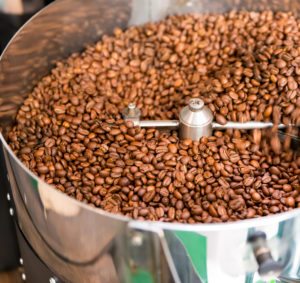
    When compared to the propeller grinder, the burr grinder will take a little longer to grind the beans. Additionally, propeller grinders are typically less expensive than the burr grinders and become the entry level grinder of the up and coming coffee aficionado.

    [/fusion_toggle][fusion_toggle title=”Propeller Grinder” open=”no”]

    The more common grinder is the propeller grinder, known for its two-sided single blade that spins and chops the beans at the same time. This is the grinder that you typically see for sale at Target, Bed Bath and Beyond and other big box retailers.
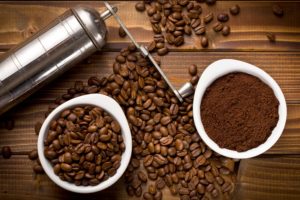
    After loading the beans into the chamber and grinding, you decide when to stop grinding the beans based on personal experience and through the transparent cover of the grinder. If it is early in the morning and you aren’t paying attention, it is easy to over grind your coffee with a propeller grinder.

    Unlike the burr grinder, there is no second chamber into which consistently-ground coffee collects. This requires the user to have a trained eye and experience in “pulsing” the grinder to achieve the desired grind…as you are in full control. Additionally, as the propellers in the grinder get dull, the longer the grind process can take thus resulting in more friction heat added to the beans, which can result in an inferior cup of coffee.

    Since the propeller grinder is far more common, the price tends to be lower and depending on your budget this can be an advantage (remember, whole bean coffee ground just before brewing will result in a fresher cup of Grumpy Goat Coffee). While the propeller grinder is faster, our experience hasn’t led us to believe that it is significant enough to consider it an advantage over the burr grinder.

    Of everything you might encounter when brewing at home, grinding coffee is arguably one of the most crucial steps, as grind size alone can dramatically change the taste of your cup. Grind size and consistency can be the difference between one of the best cups you’ve ever had and a bitter, undrinkable mess.

    Now onto the grind types…

    [/fusion_toggle][/fusion_accordion][fusion_text]

    Why grind size matters

    When it comes to grind size, there are three factors which make the biggest difference: contact time,extraction rate and flow rate. To put it simply:

    • The extraction rate of coffee grounds increases with a larger surface area.
    • To increase surface area, grind the coffee finer.
    • The higher the extraction rate, the less contact time is needed.
    • A finer grind can reduce the flow rate of water, increasing the contact time.

    Knowing this, if you have a brew method with a short contact time, the grind should be finer. In an immersion brewer, which steeps coffee grounds in water for several minutes, the contact time is much higher and, thus, requires a more coarse grind than most other brew methods. To put this in other words, brewing through a re-usable K-cup would require a grind finer than what would be used if you were using a French Press.

    If the contact time is too high or the grind is too fine, it will result in an over-extracted brew which can add bitterness. If the grind is too coarse or the contact time is too short, the coffee will turn out weaker than expected.

    While many think this is a science, we at Grumpy Goat Coffee believe there is just as much art to this process as well. Afterall, you are brewing a cup of coffee that you enjoy!

    Different types of filters, pressure and temperature can also play a part in determining grind size, but most brewing methods operate between 195 and 205 degrees Fahrenheit (90.6 and 96.1 degrees Celsius) with little to no added pressure (aside from Espresso machines).[/fusion_text][fusion_accordion type=”” boxed_mode=”” border_size=”” border_color=”” background_color=”” hover_color=”” divider_line=”” hide_on_mobile=”small-visibility,medium-visibility,large-visibility” class=”custom_toggle1″ id=””][fusion_toggle title=”Which grind size should you use?” open=”no”]

    With an array of different brewing methods, knowing which grind size to use is crucial to getting the best possible cup. Below they are listed in order of extra fine to coarse.

    • Turkish coffee calls for an extra fine grind size, similar to that of powdered sugar.
    • Espresso is a brewed through using pressure (approximately 9 bar) to force water through compacted coffee grounds. Due to the very short contact time, this method requires an extra fine grind size.
    • The AeroPress is a popular single-cup manual coffee maker. It’s similar to a French press in design and use, though users have come up with a laundry list of ways to brew. Recommended grind size is between medium and fine, depending on steep time.
    • Siphon Brewers or Vacuum Pots use pressure to force water into a chamber holding the coffee grounds. Once the steep has finished, heat is removed, which creates a vacuum in the lower chamber and pulls the water through a filter. This method calls for a medium-fine grind size.
    • Pour-Over brewers come in many different sizes and shapes. While different brewers and pour over designs require varying grind sizes to control the flow rate of water, a general guideline for the pour over methods is medium to medium-fine grind.
    • A Stovetop Espresso Maker or Moka Pot is a coffee maker which uses steam pressure to force water upwards through a filter basket full of coffee grounds. The contact time is quite short, but the pressure (approximately 1.5 bar) is a bit higher than your typical manual brewer. It calls for a medium grind size.
    • A Single-Cup Coffee Maker, such as a Keurig or Verismo machine, is a drip brewer method, similar to the commercial drip brewers found in cafes. The contact time is fairly low, meaning it calls for a medium to medium-fine grind size, comparable to that of table salt.
    • Drip coffee is what you typically get from a cafe or coffee shop. It’s made in large batches and contact time is dictated by a small hole in the bottom of the brewing basket, so recommended grind size varies between medium-coarse to medium.
    • The French Press is an immersion brewer. Water is added to coffee grounds and allowed to steep for several minutes before straining out the grounds. This method typically calls for a coarse grind setting. While a grind type other than course can be used, it will result in more sediment in the cup.
    • Cold Brew, unlike other brewing methods, is done at or below room temperature and takes between 12 and 72 hours. Due to the low temperature, the extraction rate is low, regardless of grind size. A coarse or extra coarse grind size is recommended, as it’s easier to filter. A finer grind size will work just as well (with a slightly shorter steep time), but can cause the final product to appear a bit cloudy and require additional filtration.

    [/fusion_toggle][/fusion_accordion][fusion_text]Of course, all the above recommendations are just that — recommendations. You are welcome to change them to your taste preferences and specific brew method.

    As a general hint, if you feel your cup of coffee is a tad weak, try a slightly finer grind size next time. Or if the coffee tastes too strong or slightly bitter, test with a slightly larger grind size to see if it achieves the taste you are after.[/fusion_text][/fusion_builder_column][/fusion_builder_row][/fusion_builder_container]